The Secret Life of Small Pets: Why Toys Aren't Optional
When most people think of small animals like rabbits, guinea pigs, or chinchillas, they often picture quiet creatures content to sit in a hutch and munch on hay. However, as any dedicated pet parent knows, these animals are incredibly intelligent, emotionally complex, and physically active. At PawPicks, we believe that providing the right environment for your small pet goes far beyond a clean cage and a full bowl of pellets. It’s about enrichment.
Toys are not mere accessories; they are fundamental tools for health and happiness. For a small animal, a toy is an outlet for natural instincts, a gym for physical exercise, and a puzzle that keeps their sharp minds engaged. Without proper stimulation, these pets can suffer from depression, obesity, and destructive behaviors. Let’s dive into the science and psychology behind why your small companion needs high-quality toys to thrive.
The Biological Mandate: Dental Health
One of the most critical reasons small animals need toys—specifically chew toys—is biological. Rabbits, guinea pigs, and many rodents have hypsodont teeth, which means their teeth never stop growing. In the wild, these animals spend hours foraging on tough, fibrous vegetation that naturally wears their teeth down.
In a domestic setting, even the best hay might not be enough to manage this growth. Without appropriate items to gnaw on, a pet’s teeth can become overgrown, leading to painful malocclusions, mouth sores, and an inability to eat. Providing a variety of textures, from hard woods to woven grasses, ensures that your pet can maintain their dental health while satisfying their instinctual urge to chew.
Preventing the 'Cage Funk': Mental Stimulation
Have you ever noticed your guinea pig sitting listlessly in a corner, or your rabbit over-grooming themselves until they have bald patches? These are often signs of boredom and stress, colloquially known as 'cage funk.' Small animals are naturally inquisitive foragers. In the wild, their day is filled with making choices: where to go, what to eat, and how to stay safe.
When we place them in a confined environment, we remove those choices. Toys restore a sense of agency. Whether it’s a logic toy that hides a treat or a simple object they can move around, playthings challenge their brains. Mental stimulation reduces cortisol levels (the stress hormone) and encourages a more confident, outgoing personality. A busy pet is a happy pet!
Physical Fitness and the Joy of Movement
Obesity is a growing concern in the small animal community. Because these pets spend much of their time in enclosures, they don't always get the cardio they need. Toys encourage movement. A ball that can be chased, a tunnel that can be sprinted through, or a toy that can be tossed across the room all contribute to better muscle tone and cardiovascular health.
Rabbits, in particular, love to 'binky'—a joyful leap and twist in the air. This behavior is most common when they are excited by their environment. By rotating toys and introducing new shapes and weights, you keep their environment dynamic, encouraging them to hop, stretch, and play.
The Art of the Toss: Interactive Play
Many small animal owners are surprised to learn that their pets actually want to play with them. Rabbits and guinea pigs often enjoy 'tossing' games. They will pick up an object with their teeth and fling it, waiting for you to bring it back or simply enjoying the clatter it makes. This type of play builds a unique bond between you and your pet, transforming them from a 'caged pet' into a true member of the family.
If you are looking for the perfect entry-point into interactive play, we have a specific recommendation that has become a staple in the small pet community. It combines the need for chewing with the fun of tossing.

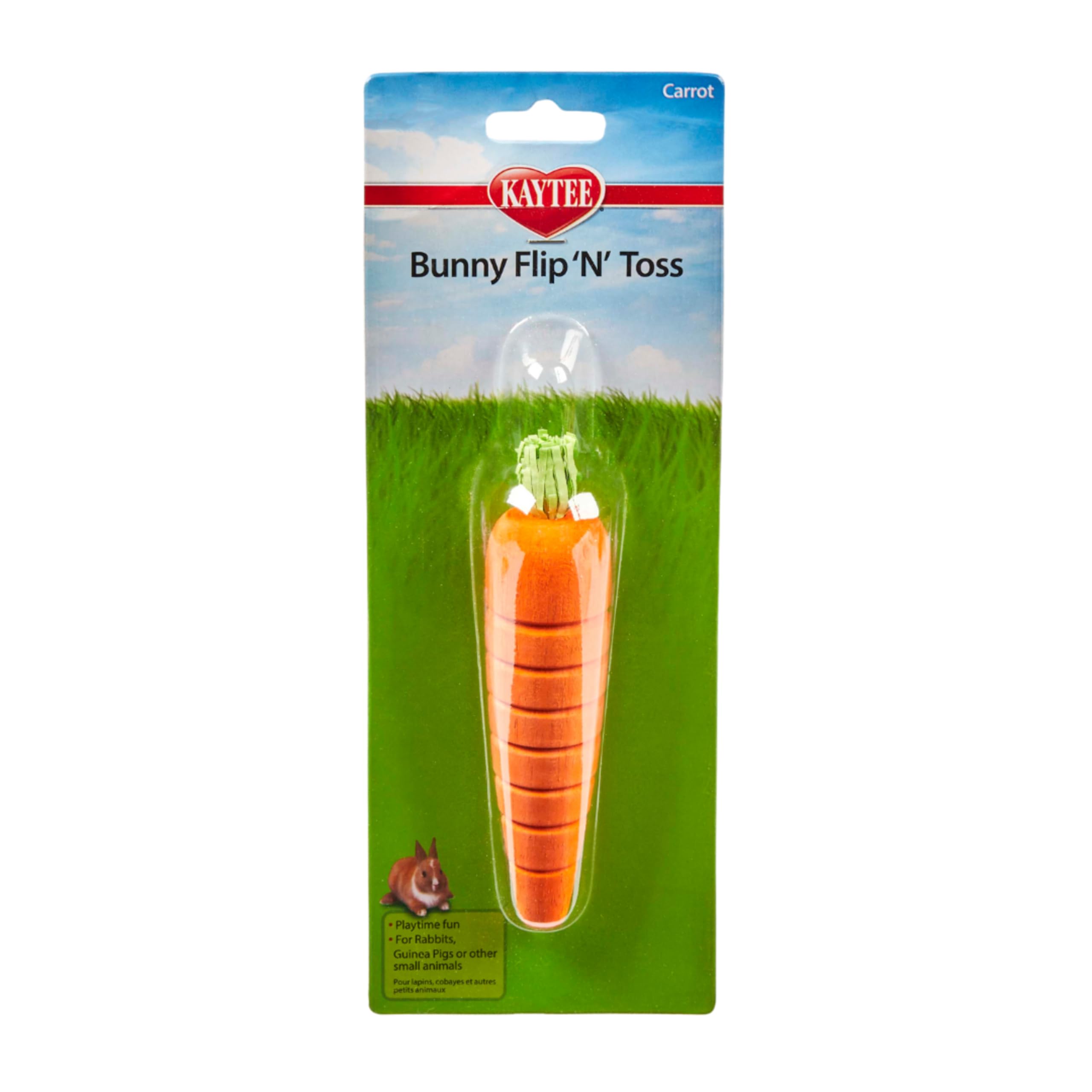
Kaytee Bunny Flip-N-Toss Toy Carrot for Rabbits, Guinea Pigs...
Highly recommended small_animal toy with a 4.2★ rating.
View on AmazonThe Kaytee Bunny Flip-N-Toss Toy Carrot is a fan favorite for a reason. Priced at just $5.29, it is an affordable way to provide hours of entertainment. It is highly rated and perfect for small animals because it is made from natural materials that are safe to chew, and its unique shape makes it easy for your pet to grab and 'flip.' Whether your guinea pig is nudging it around or your rabbit is flinging it across their pen, it provides the exact kind of tactile feedback these animals crave.
Safety First: Choosing the Right Materials
While the need for toys is clear, not all toys are created equal. As a responsible pet owner, you must be vigilant about the materials used in your pet’s playthings. Small animals have sensitive digestive systems and delicate respiratory tracts. Here are a few things to keep in mind:
- Avoid Toxic Woods: Stick to safe woods like apple, willow, or kiln-dried pine. Avoid cedar or fresh pine, which contain phenols that can irritate the lungs.
- No Small Parts: Ensure that toys do not have plastic bits or beads that can be swallowed and cause an intestinal blockage.
- Dye Safety: If a toy is colored, ensure the dyes are vegetable-based and non-toxic.
- Monitor Wear and Tear: Even the best toy will eventually succumb to the power of a rabbit’s teeth. Regularly inspect toys and discard them once they become small enough to be a choking hazard or have sharp edges.
Creating a 'Toy Rotation' System
To keep your pet’s interest high, we recommend a 'toy rotation' strategy. Instead of putting every toy you own into the cage at once, choose three or four. After a week, swap them out for different ones. This makes 'old' toys feel new again and prevents your pet from becoming desensitized to their environment. This variety is the spice of life for a small animal and ensures they stay curious and active throughout their lives.
Conclusion: A Small Investment for a Big Impact
Providing toys for your small animal is one of the easiest and most effective ways to improve their quality of life. From protecting their dental health to preventing boredom and obesity, the benefits are undeniable. By choosing high-quality, safe, and engaging items like the Flip-N-Toss Carrot, you are investing in your pet's long-term well-being.
Remember, a happy pet is an active pet. Watch how your rabbit binkies or how your guinea pig 'wheeks' with excitement when you introduce a new toy. That joy is the ultimate reward for any pet parent. Stay tuned to PawPicks for more expert advice on keeping your furry friends happy, healthy, and full of life!