The Secret Life of Small Pets: Why Chewing is Everything
If you share your home with a rabbit, a guinea pig, a hamster, or a chinchilla, you know that their lives seem to revolve around one primary activity: chewing. Whether it’s the corner of their wooden hideout, a fresh piece of cardboard, or—heaven forbid—your expensive baseboards, these little creatures are relentless. As a pet behaviorist, one of the most common questions I get from frustrated owners is, "Why does my pet destroy everything?"
The truth is, they aren't being naughty. For small animals, chewing is a biological necessity, a mental health requirement, and a vital part of their daily routine. At PawPicks, we believe that understanding the "why" behind your pet's behavior is the first step to a happier, healthier bond. In this guide, we’ll dive deep into the science of the chew and how you can provide the best enrichment for your tiny friends.
The Science of the 'Ever-Growing' Tooth
Unlike humans, dogs, or cats, many small mammals are hypsodonts. This means they have teeth with "open roots" that never stop growing throughout their entire lives. Rabbits and guinea pigs, for instance, have incisors that can grow several inches in a single year.
In the wild, these animals spend hours grinding down tough, fibrous vegetation. This natural wear and tear keeps their teeth at a manageable length. In a domestic setting, if we don't provide enough abrasive material, their teeth can become overgrown, leading to a painful condition called malocclusion. This occurs when the teeth no longer align properly, making it impossible for the animal to eat and often leading to life-threatening infections or abscesses. Regular chewing isn't just fun; it’s life-saving dental maintenance.
More Than Just Teeth: Chewing for Mental Health
Beyond the physical requirements, chewing serves a massive psychological purpose. Small animals are naturally inquisitive and high-energy. In a cage or even a playpen, they can easily become bored. Boredom in small pets often manifests as stress, which can lead to over-grooming, aggression, or "bar biting."
Chewing acts as a form of environmental enrichment. It allows them to explore their surroundings using their most sensitive tool—their mouth. It’s also a powerful stress-reliever. The act of gnawing releases endorphins in small mammals, helping them feel secure and occupied. When you provide a variety of textures and flavors, you are essentially giving your pet a puzzle to solve and a hobby to enjoy.
The Natural Choice: Why Timothy Hay and Wood Matter
Not all chew toys are created equal. As a responsible pet owner, you want to avoid toys made with toxic glues, plastics, or woods treated with pesticides. Natural materials are always the gold standard.
- Timothy Hay: High in fiber and perfectly abrasive for grinding down molars.
- Apple Wood and Willow: Safe, sweet-tasting woods that provide a satisfying crunch.
- Loofah and Seagrass: Excellent for variety and texture.
Providing a mix of these materials ensures that your pet stays engaged and that all parts of their dental structure are being addressed. If your pet seems uninterested in one type of toy, don't give up! Much like humans, small animals have individual preferences. Some prefer the hard resistance of a wood block, while others love the shreddable nature of hay-based treats.
The Perfect Solution for Your Pet’s Dental Needs
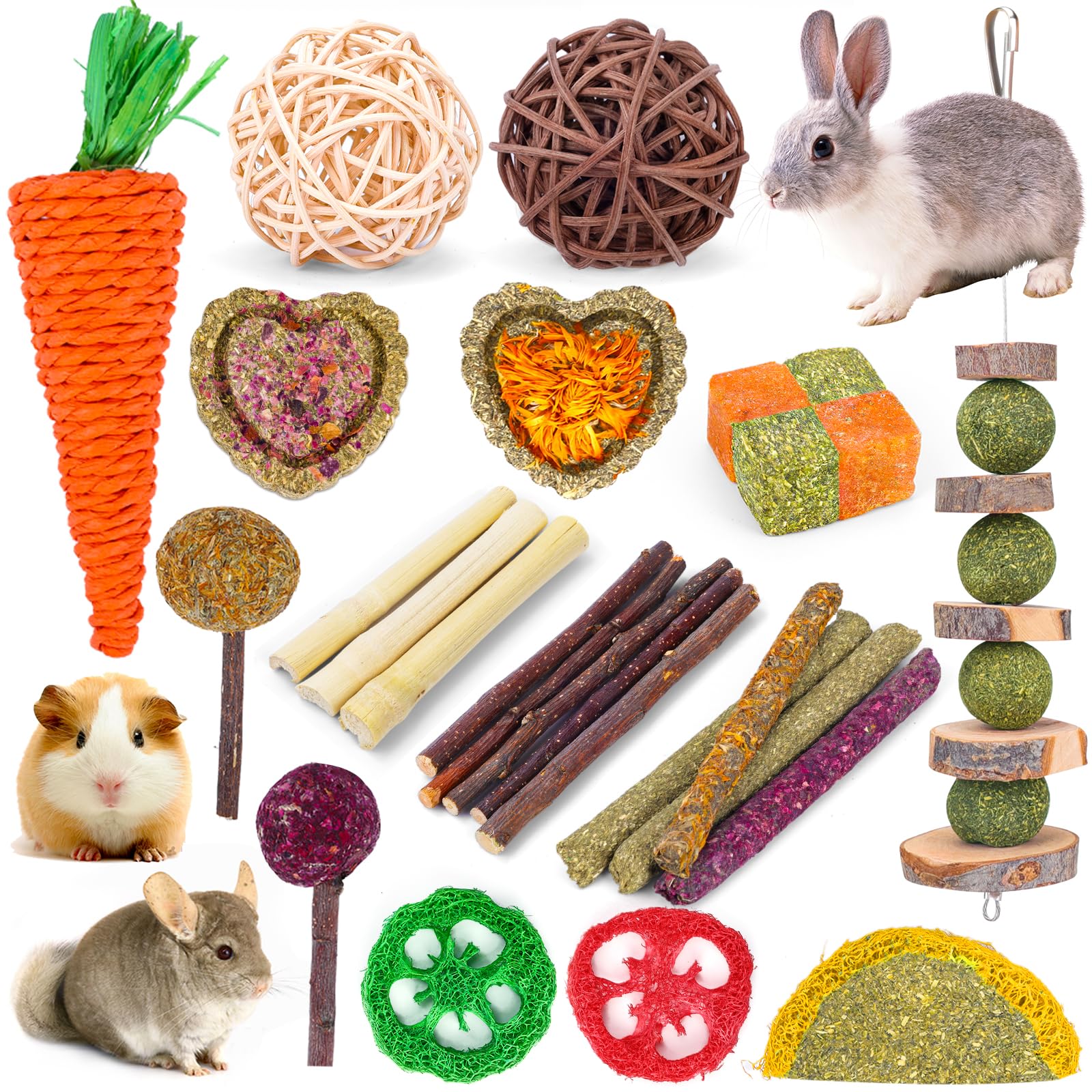
Finding a variety pack that covers all these bases can be a challenge. You want something that is safe, natural, and highly engaging. That is why we have vetted and highly recommend the following set for rabbits, guinea pigs, hamsters, and chinchillas alike.

VESPRO Rabbit Bunny Toys for Rabbits Hamster Guinea Pig Toys...
Highly recommended small_animal chew with a 4.7★ rating.
View on AmazonThis VESPRO kit is a standout because it combines natural Timothy hay sticks with various chew balls and treats. It targets both the front incisors and the back molars, ensuring comprehensive dental care. Plus, with a 4.7-star rating, it’s a community favorite for a reason—it’s durable, safe, and pets absolutely love the variety of textures.
How to Encourage Healthy Chewing Habits
If your pet is a "lazy chewer" or prefers your furniture over their toys, here are a few expert tips to redirect their energy:
- Rotate Toys Regularly: Don't put all the toys in the enclosure at once. Swap them out every few days to keep the environment "new" and exciting.
- Hide Treats Inside: Use hay-based balls or hollow wood logs to hide small pieces of dried fruit or fresh herbs. This encourages foraging behavior.
- Location, Location, Location: Place chew toys in the corners where your pet usually hangs out. If they have a favorite spot to nap, they’ll be more likely to gnaw on something nearby when they wake up.
- Check for Wear: Always inspect toys for sharp edges or small pieces that could become a choking hazard once they’ve been heavily chewed.
Final Thoughts from PawPicks
Caring for a small animal is a rewarding experience, but it comes with the unique responsibility of managing their dental health. By providing high-quality, natural chew toys like the VESPRO set, you aren't just saving your furniture—you’re ensuring your pet lives a long, pain-free, and mentally stimulated life. Remember, a busy mouth is a happy pet! Keep exploring, keep chewing, and keep giving your little friends the very best.