The Hidden Emotional Lives of Small Animals
When we think of "small animals"—the rabbits, guinea pigs, ferrets, and rats of the world—we often focus on their physical needs: high-quality hay, fresh water, and a clean enclosure. However, as a pet behaviorist, I have spent years observing these delicate creatures, and I can tell you that their emotional world is incredibly complex. These animals are not just "starter pets"; they are sentient beings that experience stress, loneliness, and boredom. This is where the humble plush toy becomes more than just a decoration—it becomes a vital tool for their psychological well-being.
The Psychology of Softness: Why Plush Matters
In the wild, most small animals are prey species. This means their survival depends on their ability to hide and stay close to their herd or colony. When we bring them into our homes, that instinct for "togetherness" doesn't disappear. A soft, plush toy provides a tactile sense of security that a plastic tunnel or a wooden chew simply cannot offer. Plush toys mimic the warmth and texture of a littermate or a parent, providing a sense of "contact comfort" that is scientifically proven to lower cortisol levels in mammals.
The Power of Social Surrogacy
For small animals that are currently living solo—perhaps because they are recovering from a medical procedure or are in the process of being bonded with a new friend—a plush toy acts as a social surrogate. It provides something to lean against, groom, and sleep next to. I have seen countless rabbits "chin" their favorite plushies, marking them as part of their territory and family. This behavior is a clear indicator of the emotional value these objects hold.
Species-Specific Benefits of Plush Toys
Every small animal interacts with their environment differently. Understanding these nuances helps you choose the best enrichment for your specific pet.
Rabbits: The Groomers
Rabbits are fastidious groomers. In a bonded pair, they spend hours licking each other's foreheads and ears. A plush toy allows a rabbit to express this natural grooming instinct. If you notice your bunny licking a stuffed toy, they are essentially practicing their social skills and self-soothing. It is a sign of a relaxed, happy rabbit.
Guinea Pigs: Seeking Security
Guinea pigs are notoriously shy. They feel most vulnerable when they are in the middle of an open space. A plush toy placed in a corner of their cage provides a "cuddle buddy" they can hide behind or snuggle into. This can be especially helpful during loud events, like thunderstorms or fireworks, as it gives them a physical anchor to feel safe.
Ferrets: The Playful Thieves
Ferrets treat plush toys like treasures. They love to "stash" them, dragging their favorite toys into their sleeping quarters or under furniture. For a ferret, a plush toy is both a playmate for wrestling and a prize to be defended. It stimulates their predatory play instincts in a safe, non-destructive way.
What to Look for in a Small Animal Plush
Not all plush toys are created equal. When selecting a companion for your small pet, safety is the number one priority. Look for toys that do not have small, plastic eyes or beads that could be chewed off and swallowed. Instead, opt for toys with embroidered features. You also want a size that is manageable—something large enough to snuggle but small enough for the animal to move if they want to.
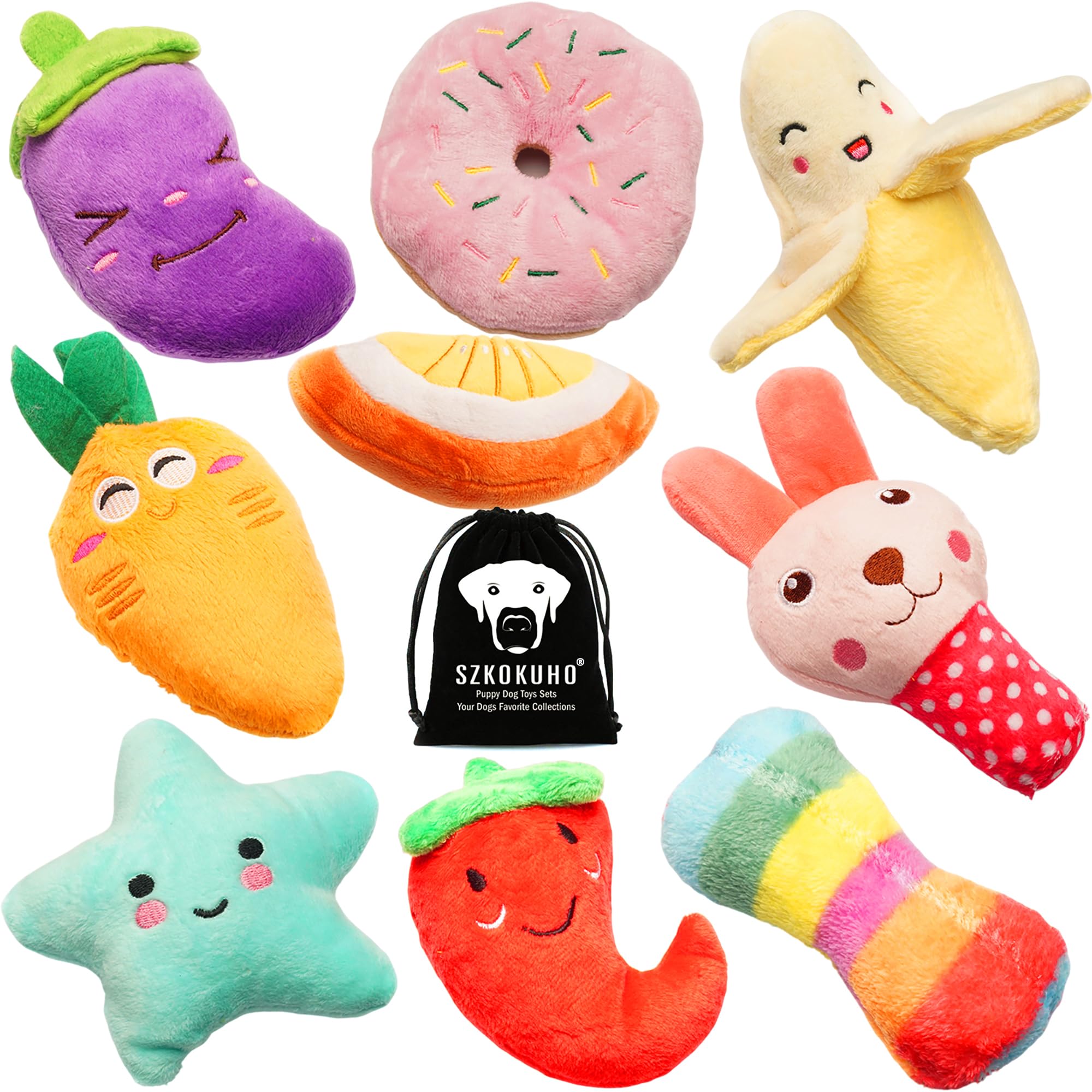
As an expert, I often recommend looking at high-quality puppy toys for small animals. They are designed to withstand chewing and are usually sized perfectly for a rabbit or a ferret. One of my top recommendations for owners looking to provide a variety of textures and shapes is this versatile set:

9 Pack Small Dogs Puppy Squeaky Dog Toys,Cute Variety Colors...
Highly recommended small_animal plush with a 4.6★ rating.
View on AmazonThis 9-pack is an incredible value for small animal owners. Because it includes a variety of shapes and colors, you can rotate the toys to keep your pet’s environment fresh and engaging. It is highly rated and perfect for small_animals because the toys are small enough for a guinea pig to cuddle or a ferret to carry. At such an affordable price point, it’s an easy way to significantly boost your pet's quality of life.
Safety First: Monitoring Play
While plush toys are generally safe, as a responsible pet owner, you must monitor your pet's interaction with them. If you have a "heavy chewer" who tends to ingest fabric rather than just nipping at it, you should only allow plush play under supervision. Always check toys daily for any rips or loose stuffing. If the stuffing becomes exposed, it’s time to replace the toy to prevent any accidental ingestion.
Cleaning and Maintenance
Small animals can be messy! To keep their plushies hygienic, choose toys that are machine washable. I recommend washing them with a pet-safe, scent-free detergent. Keeping the toys clean prevents the buildup of hay dust, dander, and bacteria, ensuring your pet’s "best friend" stays a healthy addition to their home.
Conclusion: A Small Addition with a Big Impact
In the grand scheme of pet ownership, a plush toy might seem like a minor detail. But for a small animal living in a domestic environment, that toy represents comfort, security, and mental stimulation. By providing a soft companion, you are acknowledging your pet's emotional needs and enhancing their daily life. Whether it’s a rabbit grooming its favorite bear or a ferret stashing a squeaky carrot, these moments of joy are what make pet ownership so rewarding. Visit PawPicks for more expert advice on keeping your small friends happy and healthy!