Beyond the Glass: Why Enrichment Matters for Your Reptile
For a long time, reptiles were viewed as 'display' pets—beautiful to look at, but lacking the emotional or intellectual depth of a dog or a cat. As a pet behaviorist, I can tell you that this couldn't be further from the truth. Whether you share your home with a curious Bearded Dragon, a shy Leopard Gecko, or a majestic Python, these animals possess complex biological needs that go far beyond a heat lamp and a bowl of water.
In the wild, a reptile's day is filled with decisions. They must navigate terrain, hunt for food, avoid predators, and find the perfect microclimate for thermoregulation. When we place them in a glass enclosure, we often inadvertently strip away these challenges. This leads to lethargy, obesity, and even stress-related illnesses. That is where reptile enrichment—or what we commonly call 'toys'—comes into play.
The Science of Reptile Play and Enrichment
While a snake might not fetch a ball, they do engage in 'investigative behavior.' Enrichment provides mental stimulation that encourages these natural behaviors. When a reptile has a varied environment, their brain remains active. Studies have shown that reptiles provided with enrichment show reduced signs of stress (like glass surfing) and are more resilient to changes in their environment.
Enrichment for reptiles generally falls into three categories:
- Physical Enrichment: Objects that encourage climbing, digging, or swimming.
- Sensory Enrichment: New scents, textures, or visual stimuli that pique their interest.
- Cognitive Enrichment: Problems to solve, such as foraging for food or navigating a new layout.
The Psychological Necessity of the 'Hide'
One of the most misunderstood aspects of reptile behavior is the need for security. To a human, a cave might look like a place to sleep. To a reptile, a cave is a sanctuary. It is the foundation of their mental well-being. Without a secure place to retreat, a reptile remains in a constant state of 'high alert,' which floods their system with cortisol.
Interestingly, the best reptile 'toys' are often those that serve dual purposes: providing a sense of security while offering a complex texture to explore. A high-quality hideout isn't just a decoration; it’s a tool for thermoregulation and a psychological safety net that allows your pet to feel confident enough to explore the rest of their habitat.
The Perfect Addition to Your Habitat
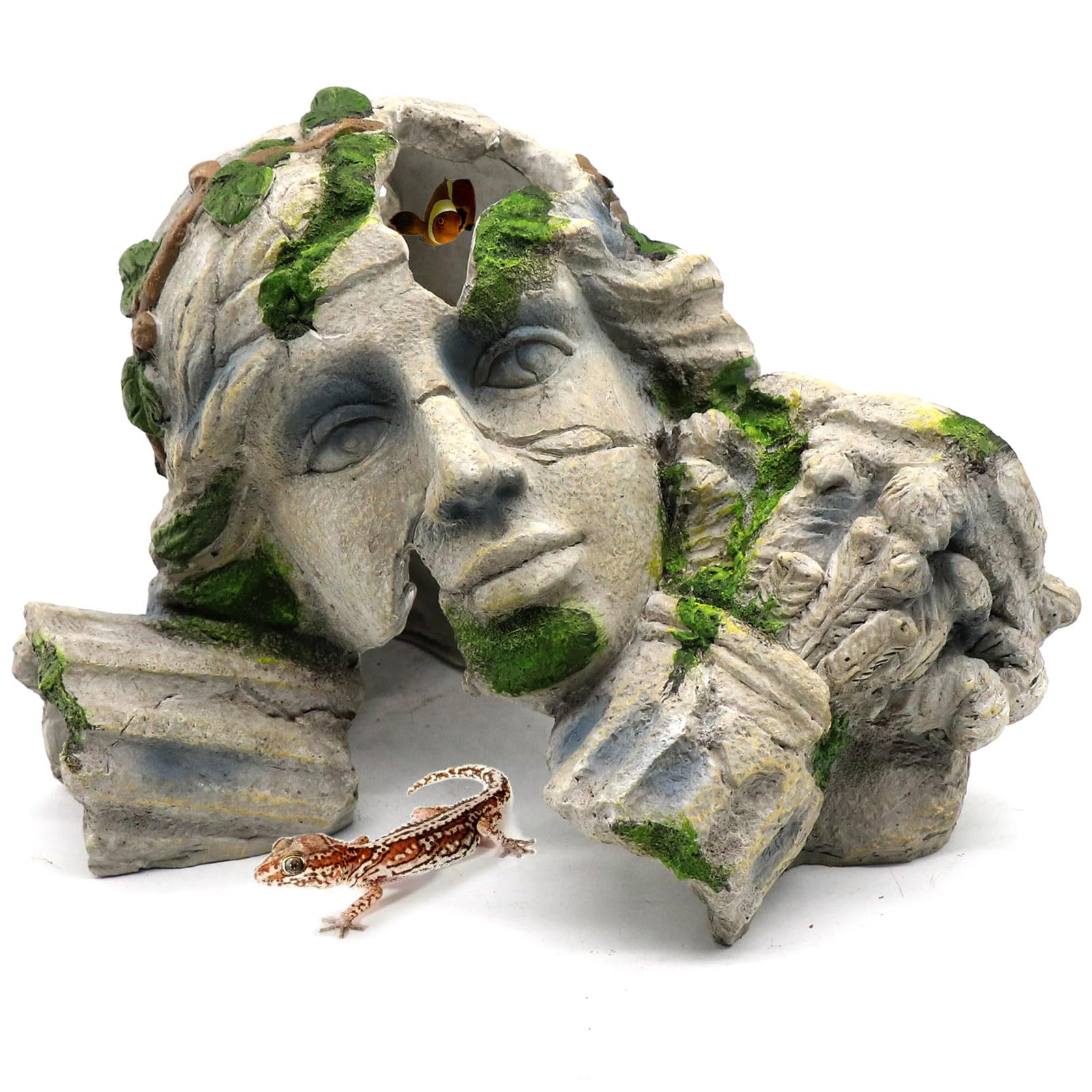
If you are looking to upgrade your reptile's environment with something that combines safety, aesthetic appeal, and functional enrichment, we have found a standout choice. This versatile hideout is a favorite among herpetology enthusiasts for its natural look and durable design.

Reptile Cave Hideout Tank Accessories Decorations, Aquarium ...
Highly recommended reptile toy with a 4.7★ rating.
View on AmazonPriced at just $23.79, this hideout is an investment in your pet's health. With a stellar 4.7-star rating, it is highly rated and perfect for reptiles like Leopard Geckos and small lizards, as well as amphibians and even fish. Its textured surface provides excellent tactile stimulation, and its internal space offers the dark, cramped quarters that reptiles find most comforting.
How to Introduce New Toys Safely
When introducing a new toy or accessory to your reptile's tank, it’s important to do so thoughtfully. Reptiles are creatures of habit, and a sudden, massive change can be startling. Here are a few tips for successful enrichment:
- Quarantine and Clean: Always wash new accessories with reptile-safe disinfectant before placing them in the enclosure.
- Monitor Interaction: Watch how your pet reacts. Do they explore it immediately, or do they hide? Give them a few days to adjust.
- Rotate Regularly: To keep their minds sharp, try rotating different climbing branches or hides every few months. This mimics the changing landscape of the wild.
- Check for Sharp Edges: Ensure any toy you add is smooth enough for their delicate scales or skin.
Physical Activity: Preventing the 'Lazy Lizard' Syndrome
In captivity, obesity is a major health concern for reptiles. Without the need to hunt or travel miles for a mate, many reptiles become sedentary. Toys that encourage vertical movement—like stacked rocks, sturdy branches, or the cave hideout mentioned above—force your pet to use their muscles. For arboreal species, climbing is a full-body workout that maintains muscle tone and joint health.
Conclusion: A Happy Reptile is an Active Reptile
Providing toys and enrichment for your reptile is about more than just 'spoiling' them. It is about respecting their biological heritage and providing a life that is as rich and engaging as possible. By incorporating high-quality hides, climbing structures, and sensory objects, you are ensuring that your scaly friend lives a long, healthy, and stress-free life.
Remember, a bored reptile is a stressed reptile. Start small, observe your pet's unique personality, and build an environment that challenges and comforts them in equal measure. Your pet might not wag their tail, but their vibrant colors, healthy appetite, and active exploration will tell you everything you need to know.