More Than Just Fun: Why Toys are Essential for Your Dog
As a pet owner, you’ve likely walked through a pet store and marveled at the sheer variety of squeakers, ropes, and plushies available. It’s easy to view these items as mere luxuries or ways to keep your pup occupied while you’re busy. However, from a professional pet behaviorist's perspective, toys are far more than just playthings. They are vital tools for your dog’s developmental, physical, and emotional well-being.
Dogs are naturally active, intelligent, and social creatures. In the wild, their ancestors spent their days hunting, scavenging, and navigating complex social structures. In our modern homes, many of these natural instincts have nowhere to go. Without the right outlets, these instincts can manifest as stress, anxiety, or behavioral issues. That is where high-quality toys come into play.
The Mental Workout: Preventing Boredom and Destructive Habits
Have you ever come home to a shredded couch cushion or a pair of ruined designer shoes? While it’s frustrating, your dog isn’t acting out of spite. Most destructive behavior is a direct result of boredom or pent-up energy. Dogs need mental stimulation just as much as they need physical exercise.
Interactive toys, such as puzzles or treat-dispensing gadgets, challenge a dog’s brain. They require problem-solving skills and focus, which effectively tires a dog out in a way that a simple walk might not. When a dog is mentally engaged, they are significantly less likely to engage in nuisance barking or destructive chewing. By providing a variety of textures and challenges, you are essentially giving your dog a "job" to do, fulfilling their biological need for activity.
Physical Health and Dental Hygiene
We all know that fetch is great for a dog’s cardiovascular health, but the benefits of toys extend to their literal teeth and bones. Chewing is a natural behavior for dogs of all ages, from teething puppies to seniors. High-quality chew toys help to:
- Massage the gums: This is especially important for puppies to soothe the pain of new teeth coming in.
- Control plaque and tartar: The mechanical action of chewing on specific textures helps scrape away buildup, contributing to fresher breath and healthier gums.
- Strengthen jaw muscles: Regular chewing keeps the jaw strong and functional.
Choosing the right material is key. You want something durable enough to withstand their bite force but not so hard that it risks breaking a tooth. This balance is what separates premium toys from cheap alternatives.
Emotional Well-being: Managing Anxiety and Stress
Perhaps the most overlooked benefit of toys is their ability to provide emotional comfort. Dogs are pack animals, and many struggle with separation anxiety or fear of loud noises like thunderstorms and fireworks. In these moments, a "security toy" can make a world of difference.
Soft, plush toys often become a source of comfort for dogs. They may carry them around the house, sleep with them, or gently "nurse" on them when they feel stressed. For puppies transitioning away from their mothers and littermates, the sense of loneliness can be overwhelming. This is where specialized behavioral toys can step in to bridge the gap between fear and security.
The Power of a Cuddle Buddy
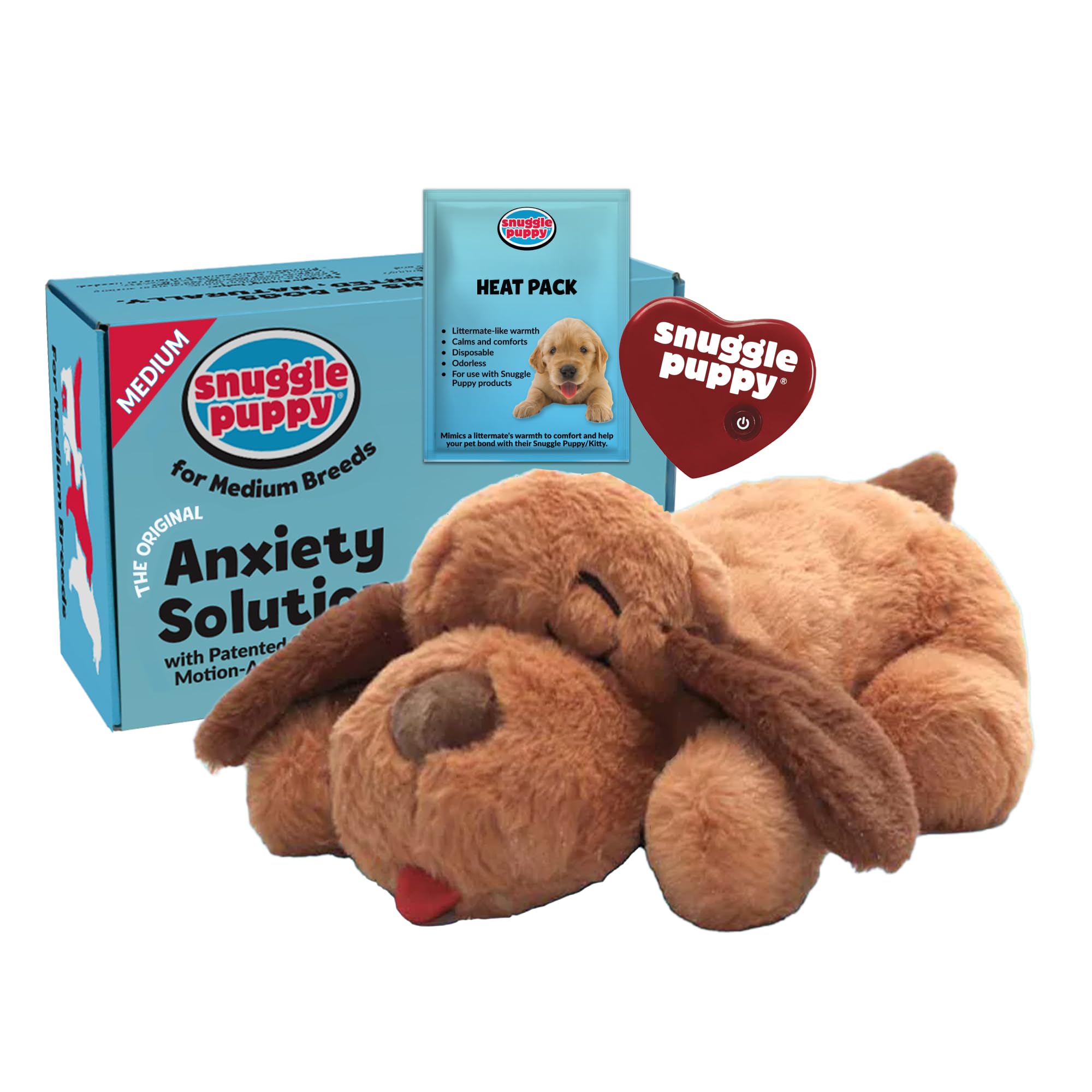
For many dogs, especially those in training or those who suffer from crate-related stress, a standard plush toy isn't enough. They need something that mimics the physical presence of another living being. This is where science-backed design meets pet care. A toy that provides warmth and a rhythmic heartbeat can trick a dog’s nervous system into a state of calm, lowering their cortisol levels and helping them drift into a peaceful sleep.
If you are currently struggling with a restless puppy, a dog with severe separation anxiety, or a pet that simply cannot settle at night, we highly recommend the following solution:

Original Snuggle Puppy Heartbeat Puppy Toy - Heartbeat Puppy...
Highly recommended dog toy with a 4.5★ rating.
View on AmazonHow to Choose the Right Toy for Your Dog’s Personality
Not every dog interacts with toys in the same way. To maximize the benefits, you should tailor your selection to your dog's specific "play style":
- The Destroyer: These dogs love to take things apart. Look for heavy-duty rubber toys or double-stitched plushies designed for "tough chewers."
- The Retriever: These dogs live for the chase. Aerodynamic balls and flying discs are essential for their daily routine.
- The Cuddler: These dogs find peace in soft textures. They need high-quality plush toys that are safe to sleep with and easy to carry.
- The Thinker: These dogs need puzzles. Look for toys that hide treats or require multiple steps to reach a reward.
It is also important to rotate your dog's toys. If they have access to the same five toys every single day, they will eventually lose interest. By keeping a "toy box" and only bringing out two or three at a time, you keep the novelty alive and ensure your dog stays engaged with their environment.
Conclusion: An Investment in Happiness
At PawPicks, we believe that a toy is never "just a toy." It is a tool for education, a medium for exercise, and a source of profound emotional support. By investing in high-quality, purpose-driven toys, you aren't just buying an object; you are investing in your dog's long-term health and your own peace of mind.
Whether it’s a high-energy game of tug-of-war or a quiet night spent snuggling with a heartbeat toy, the right playthings foster a deeper bond between you and your four-legged best friend. Take the time to observe how your dog plays, identify their needs, and provide them with the tools they need to live their happiest, most balanced life.