The Secret Life of Your Indoor Hunter
To the untrained eye, a domestic cat’s life seems like the ultimate luxury: sixteen hours of sleep, gourmet meals served on a silver platter (or a ceramic bowl), and the perfect sunbeam for every nap. However, as a pet behaviorist, I see a different story. Behind those narrowed eyes and rhythmic purrs lies the soul of an apex predator. Your living room tiger is biologically hardwired for the hunt, and when that instinct isn't met, it can lead to a host of behavioral and physical issues.
This is where interactive play becomes more than just a pastime—it becomes a biological necessity. For indoor cats, toys aren't just objects; they are the bridge between their wild instincts and their domestic reality. Without proper stimulation, cats can become lethargic, anxious, or even destructive. In this guide, we will explore why interactive toys are the secret to a long, happy, and healthy life for your feline companion.
The Biology of Play: Why Cats Must Hunt
Cats are unique among domestic animals because they are “multiprocessors.” In the wild, a cat spends a significant portion of its waking hours engaging in the predatory sequence: Stalk, Pounce, Kill, Eat. When we bring cats indoors, we provide the 'Eat' part effortlessly, but we often forget the first three steps.
Interactive toys mimic the movement of prey—the erratic flutter of a bird or the quick scurry of a mouse. This triggers the release of dopamine in a cat's brain, providing a natural “high” that keeps them mentally sharp. Without this outlet, that pent-up energy doesn't just disappear; it manifests as “the zoomies” at 3 AM, or worse, redirected aggression toward your ankles.
Physical Health and Weight Management
Feline obesity is a growing epidemic. An inactive cat is at a much higher risk for diabetes, joint pain, and heart disease. Interactive toys encourage the kind of high-intensity interval training (HIIT) that cats naturally excel at. Short bursts of jumping, sprinting, and wrestling help maintain lean muscle mass and keep their metabolism humming. A good interactive toy makes exercise feel like a game, ensuring your cat stays fit without even realizing they’re working out.
Mental Enrichment and Stress Relief
Boredom is one of the leading causes of stress in indoor cats. A stressed cat might start over-grooming, hiding, or urinating outside the litter box. Interactive play provides environmental enrichment, which is the process of challenging a cat’s mind. When a cat has to figure out how to catch a moving target or manipulate a toy to get a scent, they are exercising their cognitive muscles. This mental exhaustion is just as important as physical exhaustion for a calm, well-behaved pet.
The Power of the 'Kicker' Instinct
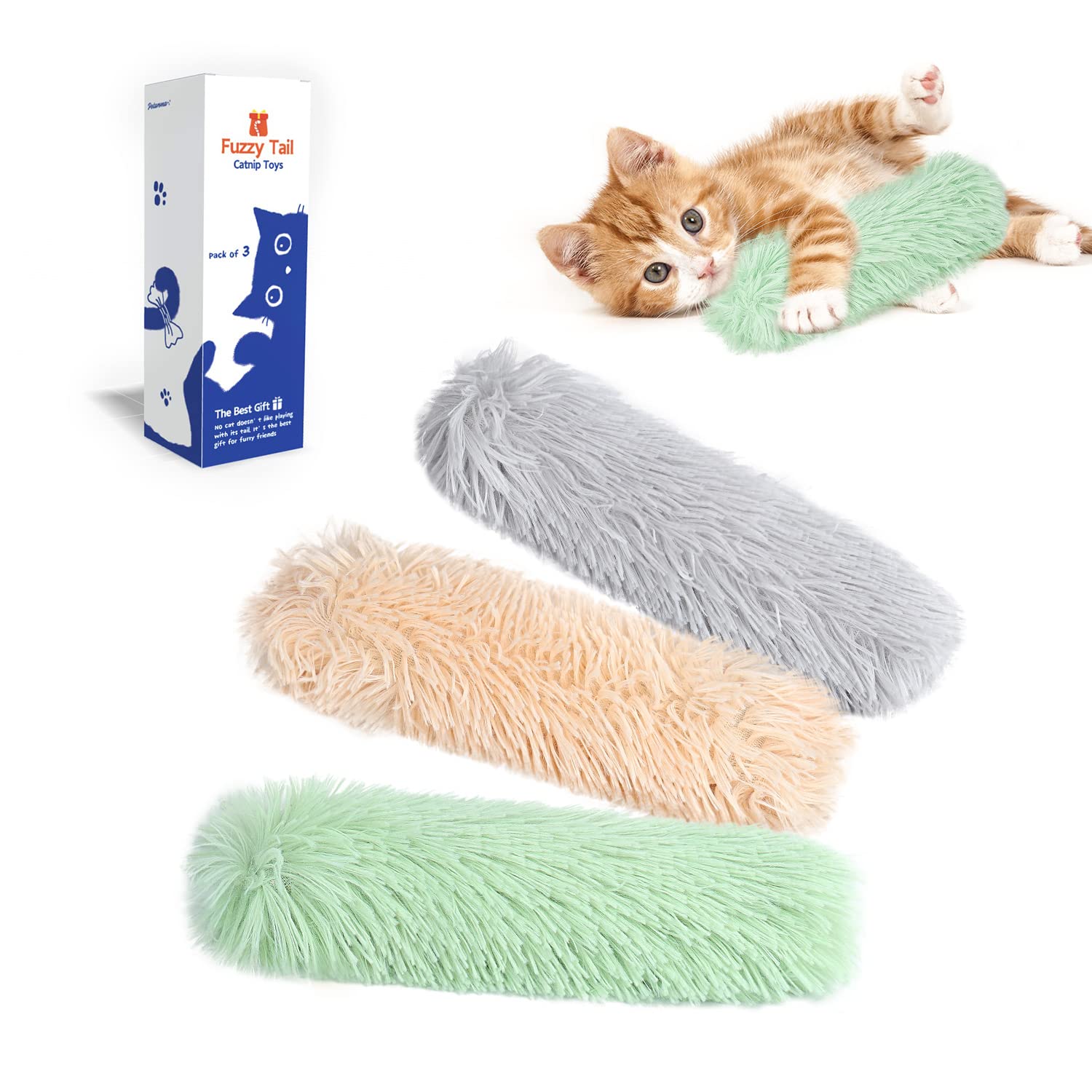
Have you ever noticed your cat grabbing a toy with their front paws and vigorously kicking it with their hind legs? This is known as “rabbit kicking,” a natural hunting behavior used to disarm prey. It is an incredibly satisfying physical release for cats, but they need the right kind of tool to do it safely. A toy that is too small won't provide the resistance they need, while a toy that is too hard might hurt their paws.
For owners looking to satisfy this specific instinct while providing multi-sensory engagement, we have a top-tier recommendation that hits every mark for feline enrichment.

Potaroma Cat Toys Pillows, 3 Pack, Soft and Durable Crinkle ...
Highly recommended cat interactive with a 4.6★ rating.
View on AmazonThe Potaroma Cat Toys Pillows are specifically designed to address the needs we've discussed. At just $9.98 for a 3-pack, they offer incredible value for a product that is highly rated and perfect for cats of all ages. These pillows feature a crinkle sound that mimics the rustling of prey in the wild, and they are stuffed with catnip to keep your kitty engaged for longer sessions. Their soft yet durable build makes them the ideal “kicker” toy for indoor kittens and adults alike.
How to Choose the Best Interactive Toy
When you are shopping for your cat at PawPicks, keep these three factors in mind to ensure you are getting a toy that will actually be used:
- Texture: Cats are tactile creatures. They love materials that they can sink their claws into without getting stuck. Look for soft fabrics, plush, or crinkly textures.
- Sound: A toy that makes a subtle sound—like a chirp or a crinkle—is much more likely to hold a cat's attention than a silent one. It mimics the “sound of the hunt.”
- Scent: Catnip or silvervine can turn a boring toy into an irresistible treasure. It stimulates the olfactory senses, adding another layer of enrichment.
The Importance of Variety
Just like humans, cats can get bored if they do the same thing every day. As a behaviorist, I recommend a toy rotation strategy. Don't leave all the toys out at once. Instead, keep a few in a drawer and swap them out every few days. This keeps the “prey” fresh and exciting. When you bring out a “new” toy like the Potaroma pillows, your cat will approach it with renewed curiosity and vigor.
Final Thoughts: A Happy Cat is an Active Cat
Investing in high-quality interactive toys is one of the simplest and most effective ways to improve your cat's quality of life. By providing outlets for their natural hunting instincts, you are preventing behavioral issues, managing their weight, and strengthening the bond you share with your pet. Remember, a cat that plays hard, sleeps hard—and a cat that sleeps hard is a happy, relaxed member of your household.
Ready to level up your cat's playtime? Start with toys that encourage their natural instincts, and watch as your bored house cat transforms back into the vibrant, energetic hunter they were born to be.