The Secret Life of Your Living Room Tiger
To the untrained eye, a domestic cat’s life looks like the ultimate luxury. They sleep for up to sixteen hours a day, bask in warm sunbeams, and have their meals served on a silver platter (or a ceramic bowl, at least). But as a professional pet behaviorist, I often have to remind pet parents of a fundamental truth: deep down, your cuddly house cat is still a finely-tuned wild predator.
In the wild, a cat’s day is filled with high-stakes problem-solving. They must stalk, chase, pounce, and capture their prey to survive. When we bring cats indoors, we protect them from outdoor hazards, but we also inadvertently strip away their natural outlet for these instinctual behaviors. Without a proper channel for this predatory drive, boredom sets in. And in the feline world, a bored cat is often a stressed, destructive, or unhappy cat.
That is where interactive toys come in. Far from being simple luxury items, interactive toys are essential tools for maintaining your cat’s mental health, physical fitness, and overall emotional well-being.
The Psychology of Feline Play: The "Seeking Circuit"
Have you ever wondered why your cat suddenly gets the "midnight zoomies" or decides to pounce on your ankles as you walk by? These aren't random acts of mischief. They are expressions of a biological phenomenon known as the Seeking Circuit.
Coined by neuroscientist Jaak Panksepp, the Seeking Circuit is the neural pathway in a mammal's brain that drives them to explore, investigate, and make sense of their environment. For cats, this circuit is intimately tied to the hunting sequence: Stalk, Chase, Pounce, Bite, and Kick. When a cat engages in these activities, their brain releases dopamine—the "feel-good" neurotransmitter associated with satisfaction and pleasure.
When your cat is deprived of opportunities to trigger this seeking circuit, they experience chronic under-stimulation. This can manifest in several behavioral issues, including:
- Targeted Aggression: Pouncing on human feet, ankles, or other household pets.
- Destructive Behavior: Clawing furniture, carpets, or knocking objects off counters.
- Depression and Lethargy: Sleeping excessively (beyond normal limits) and showing a lack of interest in their surroundings.
- Compulsive Grooming: Over-licking their fur, sometimes leading to bald patches, as a self-soothing mechanism for anxiety.
By introducing high-quality interactive toys into your cat's daily routine, you provide a safe, constructive outlet for these wild instincts, turning negative behaviors into positive play energy.
The Physical Benefits of Interactive Play
Feline obesity is a growing epidemic. According to recent veterinary studies, over 50% of domestic cats are classified as overweight or obese. Just like humans, sedentary cats are prone to diabetes, painful arthritis, and cardiovascular disease.
Unlike dogs, you can't easily leash up a cat for a brisk three-mile run. Instead, you must rely on short, intense bursts of play to keep them active. Interactive toys encourage the kind of anaerobic exercise cats naturally excel at—sprinting, leaping, and twisting. Regular play sessions help maintain a healthy weight, keep joints lubricated, and build muscle tone, ensuring your cat lives a longer, pain-free life.
What Makes an Interactive Toy Effective?
Not all cat toys are created equal. You have likely purchased expensive, automated gadgets only to watch your cat sniff them once and walk away. To truly captivate a cat, a toy must appeal to their sensory profile. It needs to look, sound, smell, and feel like prey. The best interactive toys incorporate:
- Realistic Sound: High-pitched crinkles or squeaks that mimic the rustling of rodents in dry leaves.
- Enticing Scent: High-quality catnip or silvervine to stimulate their olfactory receptors.
- Tactile Variety: Soft, durable fabrics that allow them to sink their claws and teeth in safely.
- The "Kicker" Factor: Cats love to grab prey with their front paws and rabbit-kick vigorously with their hind legs. This is a vital defensive and predatory instinct.
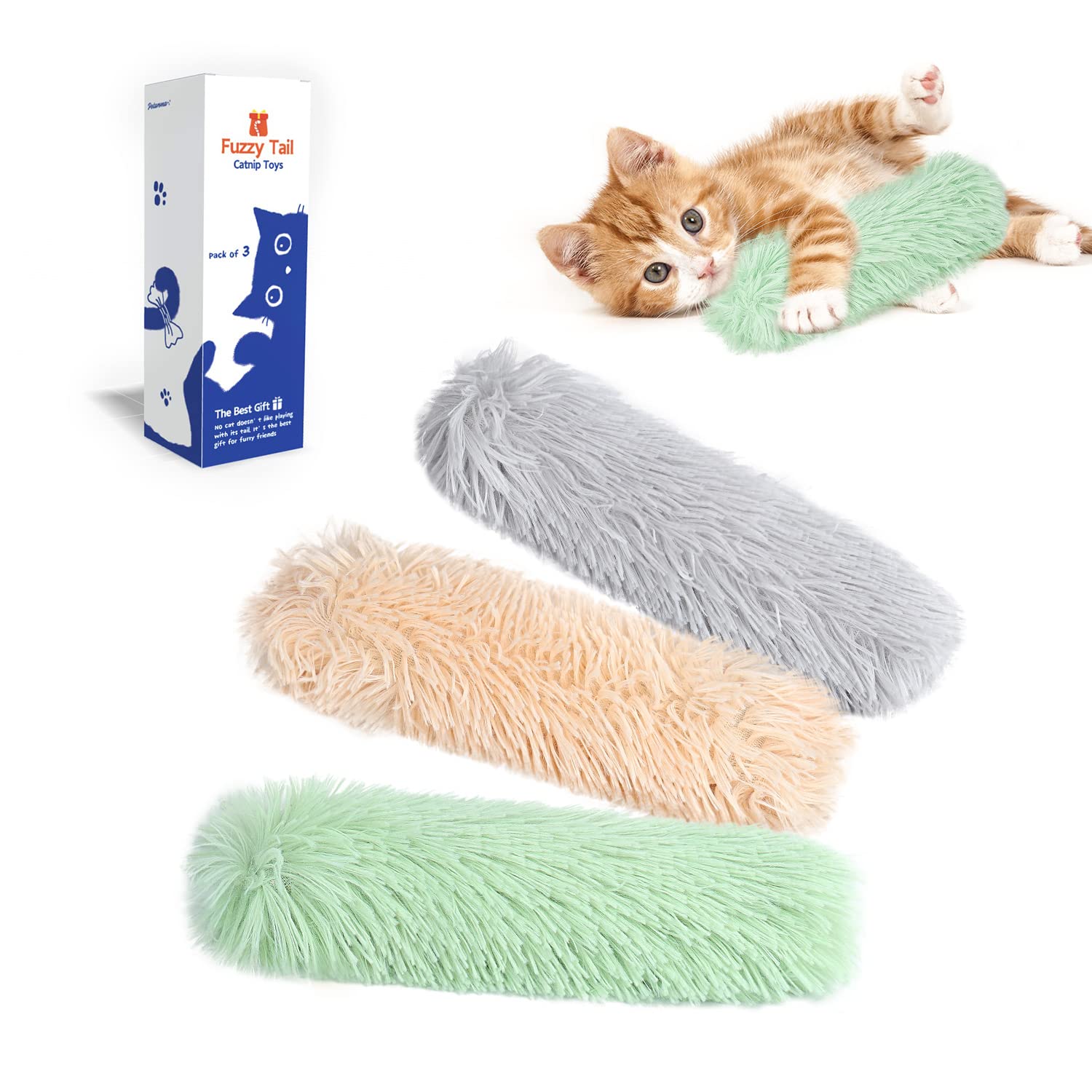
If you are looking for a simple, budget-friendly, and highly effective way to satisfy these exact sensory needs, we have found the perfect solution for your feline friend.

Potaroma Cat Toys Pillows, 3 Pack, Soft and Durable Crinkle ...
Highly recommended cat interactive with a 4.6★ rating.
View on AmazonHow to Maximize Your Play Sessions: Tips from a Behaviorist
Buying the right toy is only half the battle; how you use it matters just as much. To get the most out of your interactive play sessions, keep these professional behaviorist tips in mind:
1. Let Them Win
Imagine playing a video game where you can never, ever win. You would quickly get frustrated and quit. The same goes for your cat. Always allow your cat to successfully "catch" and bite the toy throughout the play session. This builds confidence and provides psychological closure to their hunting sequence.
2. Establish a Routine
Cats thrive on predictability. Try to schedule two 10-to-15-minute play sessions every day—ideally once in the morning and once in the evening before dinner. This mimics their natural wild hunting schedule (hunt, eat, groom, sleep) and helps prevent midnight wake-up calls.
3. Rotate Your Toy Inventory
Novelty is key to keeping a cat's mind sharp. If the same toys are left scattered on the living room floor day after day, they eventually become "dead prey" in your cat's mind. Keep a rotation. Put some toys away in a sealed container and bring out fresh ones every few days to keep the excitement alive.
Conclusion: A Happy Cat is an Active Cat
Providing your cat with interactive toys is not just about keeping them entertained; it is a fundamental aspect of responsible pet ownership. By investing in toys that stimulate their natural instincts, you are actively preventing behavioral issues, fighting feline obesity, and strengthening the beautiful bond you share with your pet. Give your little indoor tiger the mental and physical outlet they deserve—their health and happiness will thank you for it!