The Wild Hunter in Your Living Room
Have you ever watched your cat stare intensely at a dust mote, or suddenly sprint across the room at three in the morning? While it might look like a case of the "zoomies," what you’re actually witnessing is the manifestation of thousands of years of predatory evolution. Even the most pampered indoor cat is, at heart, a finely-tuned hunter. In the wild, a cat’s day is structured around the hunt: stalking, pouncing, capturing, and eventually consuming prey. When we bring cats into our homes, we provide them with safety and regular meals, but we often inadvertently strip away the mental and physical stimulation they crave.
At PawPicks, we understand that a bored cat is often a stressed cat. Without a proper outlet for their hunting instincts, cats can develop behavioral issues, become lethargic, or even turn to destructive habits like scratching furniture or over-grooming. That is why interactive play isn't just a luxury—it’s a biological necessity.
The Physical and Mental Benefits of Interactive Play
Interactive play serves two primary purposes: keeping the body lean and the mind sharp. Obesity is a growing epidemic among domestic cats, leading to serious health issues like diabetes and joint pain. Engaging your cat in play that mimics the hunt encourages them to jump, sprint, and stretch, providing the high-intensity cardio they need to maintain a healthy weight.
Beyond the physical, the mental benefits are profound. Cats are highly intelligent creatures. When they are forced to figure out how to "catch" a toy, they are using their problem-solving skills. This cognitive engagement helps prevent age-related decline and reduces anxiety. A cat that has had a satisfying play session is a cat that is relaxed, confident, and much more likely to curl up for a peaceful nap rather than yowling at your bedroom door.
Understanding the "Bunny Kick" Instinct
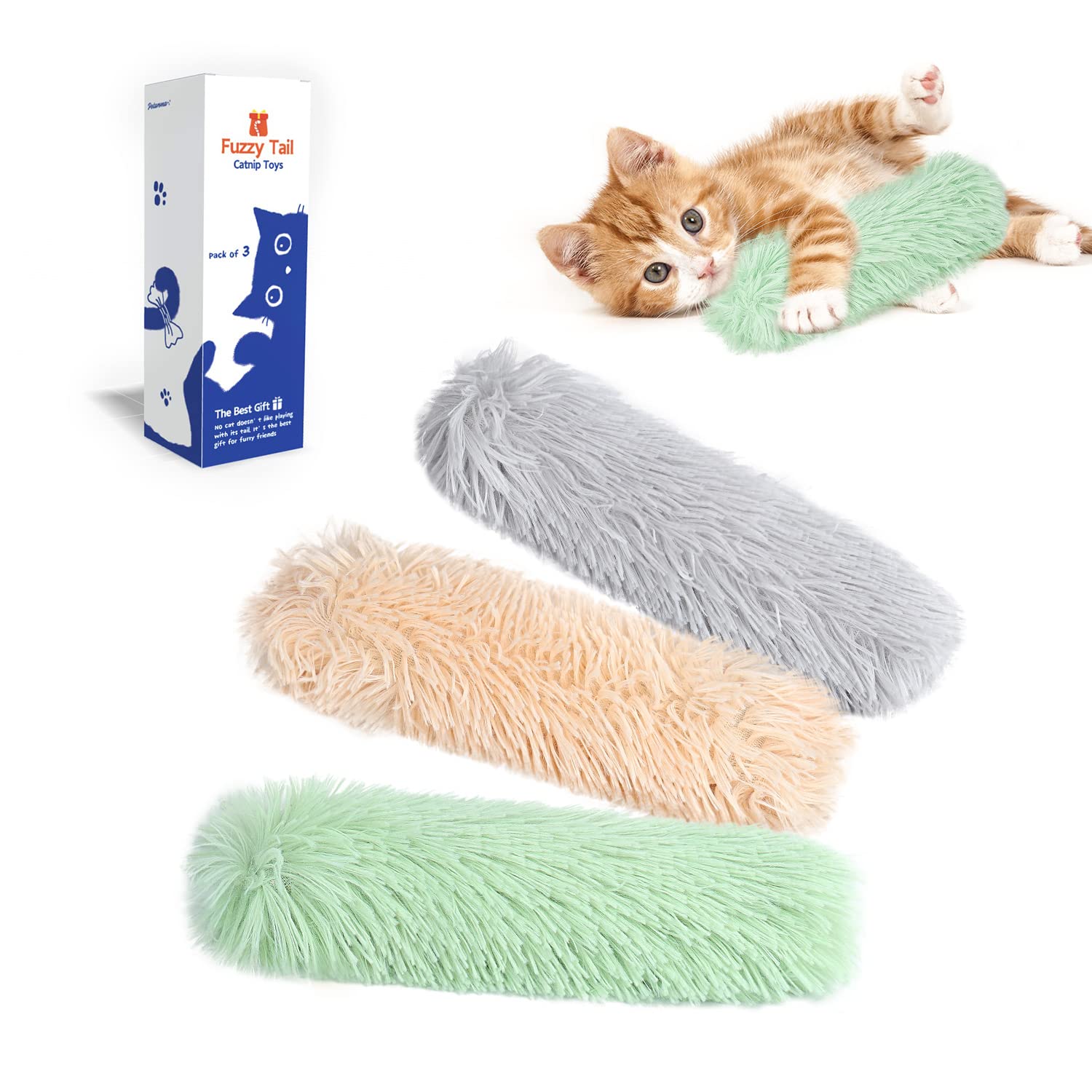
If you’ve ever seen your cat grab a toy with their front paws and vigorously kick at it with their back legs, you’ve seen the "bunny kick." In the wild, this is a finishing move used to disable prey. It is an incredibly satisfying movement for a cat, but it requires a specific type of toy—one that is durable enough to withstand the force of those powerful hind legs and soft enough to be held close. This is where the right interactive gear makes all the difference.

Potaroma Cat Toys Pillows, 3 Pack, Soft and Durable Crinkle ...
Highly recommended cat interactive with a 4.6★ rating.
View on AmazonWhy Sound and Scent Matter in Feline Play
Cats experience the world through a sensory lens that is much more acute than our own. To make a toy truly interactive and engaging, it needs to appeal to more than just their sight. This is why crinkle sounds and scents are so effective. The sound of crinkling material mimics the rustling of leaves or the high-pitched sounds of small rodents, instantly triggering a cat's predatory drive.
Furthermore, the inclusion of high-quality catnip can transform a mundane object into an irresistible target. Catnip interacts with a cat’s olfactory system, often resulting in a burst of energy followed by a state of mellow relaxation. When you combine the tactile satisfaction of a soft pillow with the auditory stimulation of crinkles and the aromatic lure of catnip, you create the perfect storm for a happy, engaged pet.
The Importance of Toy Rotation
As a pet behaviorist, one of the most common complaints I hear is, "My cat is bored with their toys." The truth is, cats are biologically programmed to be interested in new things. To keep your cat engaged, it’s essential to rotate their toys. Don't leave everything out at once. By introducing a "new" toy every few days and putting others away, you keep the environment novel and exciting. Durable kicker pillows are perfect for this rotation because they are easy to store and bring out for high-energy play sessions.
How Much Play Does Your Cat Really Need?
While every cat is an individual, most experts recommend at least two 15-minute interactive play sessions per day. Ideally, these should happen around the same time each day to help establish a routine. Try to play with your cat before their main meals; this mimics the natural "hunt-eat-groom-sleep" cycle. You’ll find that after a vigorous session with a kicker toy or a wand, your cat will eat with more gusto and settle down much more quickly.
Final Thoughts: Investing in Your Cat’s Happiness
Interactive play is one of the easiest and most rewarding ways to bond with your feline companion. It builds trust, provides essential exercise, and keeps their predatory instincts sharp in a safe, controlled way. By choosing toys that cater to their natural behaviors—like the need to pounce, crinkle, and kick—you are providing them with a much richer, more fulfilling life indoors.
Remember, a happy cat isn't just one that is fed; it's one that is stimulated. Next time you see those pupils dilate and that tail start to twitch, grab a toy and let the hunt begin!