The Primal Urge: Why Your Feathered Friend Is a Natural Shredder
If you have ever shared your home with a parrot, parakeet, or conure, you know the sound well: the rhythmic crunch-crunch-crunch of a beak meeting wood, paper, or—if you aren't careful—your favorite mahogany coffee table. As a pet behaviorist here at PawPicks, I often hear from frustrated owners wondering why their birds seem intent on destroying everything in sight. The answer is simple: they were born to do it.
In the wild, birds use their powerful beaks for a variety of essential tasks. From excavating nesting cavities in decaying trees to stripping bark to find hidden insects, a bird's beak is their primary tool for survival. When we bring these magnificent creatures into our homes, those biological drives don't just disappear. Understanding the 'why' behind the chew is the first step toward a happier, healthier, and less destructive pet.
Beak Maintenance: Nature’s Multi-Tool
A bird’s beak is a marvel of biological engineering. It is made of a bone core covered by a sheath of keratin—the same protein found in human fingernails and hair. Just like your fingernails, a bird's beak grows continuously throughout its life. In the wild, the natural act of foraging, climbing, and grooming keeps the beak worn down to a healthy length and shape.
Without proper 'chew-time,' a bird's beak can become overgrown, flaky, or even misaligned. This makes it difficult for them to eat, preen their feathers, or climb around their enclosure. Providing a variety of textures—from hard woods to soft cardboards—acts as a natural nail file for their face. When your bird is shredding a toy, they aren't just playing; they are performing essential self-care.
Mental Stimulation and the 'Job' of Foraging
Parrots are among the most intelligent animals on the planet. Some species possess the cognitive abilities of a four-year-old human child. Imagine keeping a brilliant, energetic toddler in a small room with nothing to do. They would eventually start peeling the wallpaper, right? Birds are no different.
In the wild, birds spend up to 70% of their waking hours foraging for food. This involves searching, peeling, cracking, and manipulating objects to find a meal. In captivity, we often serve their food in a clean bowl, removing the 'work' from their day. This leads to profound boredom. Chewing and shredding toys serve as a substitute for this foraging behavior. It gives them a 'job' to do, focusing their mental energy on a positive outlet rather than on screaming or feather plucking.
Emotional Health and Stress Relief
Chewing is also a powerful stress reliever for birds. The physical act of shredding releases endorphins, helping them to self-soothe during loud noises, changes in the household, or when they are feeling lonely. A bird with a 'destruction project' is a bird that is engaged and content. If you notice your bird becoming more aggressive or anxious, it may simply be because they lack the proper outlets for their chewing instincts.
Choosing the Right Materials for Your Bird
Not all chew toys are created equal. As a responsible bird owner, you want to provide materials that are both satisfying and safe. Different birds have different preferences, but common favorites include:
- Soft Woods: Pine, balsa, and cactus (cholla) are excellent for smaller beaks.
- Vegetable-Tanned Leather: Great for tugging and knot-untying.
- Natural Fibers: Sisal, seagrass, and cotton rope (if monitored for fraying).
- Cardboard and Paper: Perhaps the most satisfying of all, as they provide immediate 'feedback' and a wonderful crunching sound.
For many small to medium parrots, cardboard is the ultimate prize. It is easy to grip, light enough to toss around, and incredibly satisfying to reduce to tiny pieces. This is where specialized foraging toys become a game-changer for bird owners.

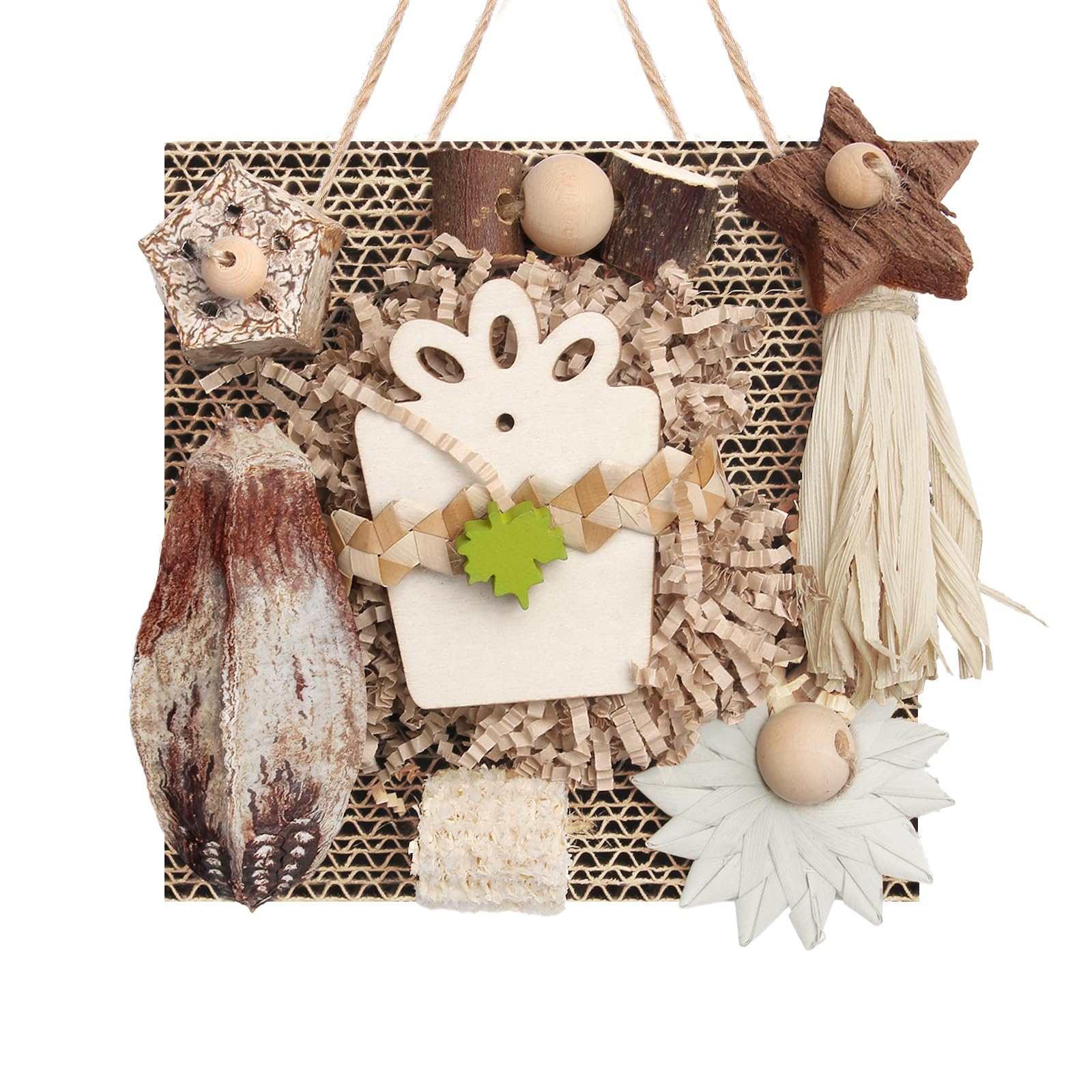
Kyouki Bird Toys, Parakeet Toys, Parrot Toy, Conure Hanging ...
Highly recommended bird chew with a 4.7★ rating.
View on AmazonThe Kyouki Bird Toy is an exceptional example of a toy designed with avian psychology in mind. Priced at just $8.99, it offers a multi-layered experience that combines chewing with foraging. Its cardboard-based design is perfect for Budgies, Cockatiels, and Conures who love that 'shredding' sensation. With a stellar 4.7-star rating, it is a proven favorite among the bird community for keeping beaks busy and minds sharp.
Safe Chewing vs. Dangerous Household Items
While we want to encourage chewing, we must be vigilant about what they are chewing. Many household items contain toxins that can be fatal to birds. When selecting toys or allowing your bird to explore, avoid the following:
- Treated Woods: Never give your bird wood that has been pressure-treated, painted, or stained.
- Heavy Metals: Ensure all bells and clips are lead and zinc-free.
- Glues and Adhesives: Avoid industrial cardboards with heavy glue lines.
- Small Plastics: Be careful with brittle plastics that can shatter into sharp shards.
By providing high-quality, bird-safe toys like the Kyouki hanging cardboard toy, you eliminate the guesswork and ensure your bird's safety while they indulge their natural instincts.
How to Introduce New Toys
Some birds are 'neophobic,' meaning they are afraid of new things. If you buy a new toy and your bird retreats to the corner of the cage, don't worry! This is normal behavior. To help them adjust, try these steps:
- The 'Coffee Table' Method: Place the toy on a neutral surface outside the cage where the bird can see it but doesn't feel threatened by it.
- Model the Behavior: Birds are social learners. Let them see you 'playing' with the toy or scratching it with your fingernail to show them it isn't a predator.
- Incremental Proximity: Move the toy closer to the cage over a few days before hanging it inside.
- Reward Interaction: Give your bird their favorite treat whenever they show curiosity toward the new toy.
Conclusion: A Happy Bird is a Busy Bird
At the end of the day, a bird that chews is a bird that is expressing its natural identity. By embracing this behavior rather than fighting it, you create a bond of trust and provide your pet with the enriched life they deserve. Remember, it is much cheaper to replace a $9 bird toy than it is to replace your baseboards or your favorite books!
Invest in your bird's health and happiness today by providing a variety of shreddable, chewable, and forage-friendly toys. Your bird—and your furniture—will thank you.