The Primal Urge: Why Dogs Are Born to Chew
We’ve all been there: you walk into the living room only to find your favorite pair of leather loafers looking like they’ve gone through a paper shredder. As a pet owner, it’s easy to feel frustrated when your four-legged friend turns your home into their personal buffet. However, at PawPicks, we look at this behavior through a different lens. To a dog, chewing isn't a rebellious act or a sign of spite—it is a fundamental, biological necessity.
Dogs explore the world with their mouths. While humans use their hands to touch and feel, a dog’s primary tool for sensory exploration is their jaw. From the moment they are born, the urge to gnaw is hardwired into their DNA. Understanding why they do it is the first step toward a happier home and a healthier pup.
The Biological Benefits of Chewing
There are several key reasons why your dog feels the need to sink their teeth into something. These range from physical health to mental well-being:
1. Dental Hygiene and Oral Health
Think of a good chew toy as nature’s toothbrush. When a dog chews on a textured surface, the mechanical action of the material rubbing against their teeth helps to scrape away plaque and tartar buildup. This doesn't just keep their breath fresher; it prevents serious issues like gingivitis and periodontal disease, which can lead to expensive vet bills and systemic health problems later in life.
2. Jaw Strength and Development
Just like humans go to the gym to maintain muscle tone, dogs need to exercise their jaw muscles. Chewing provides a low-impact way for dogs to keep their facial muscles strong and their joints supple. For growing puppies, this is especially critical as their skeletal structure develops.
3. Mental Stimulation and Boredom Busting
A bored dog is often a destructive dog. Chewing is a mentally taxing activity that requires focus and coordination. By providing a challenging chew toy, you are essentially giving your dog a puzzle to solve. This mental enrichment is vital for high-energy breeds that need a "job" to do to feel satisfied.
The Emotional Side: Chewing as Therapy
Perhaps the most fascinating aspect of canine behavior is the emotional release that chewing provides. Scientific studies have shown that the act of chewing triggers the release of endorphins and dopamine in a dog’s brain. These are the "feel-good" chemicals that promote a sense of calm and relaxation.
This is why you might notice your dog chewing more intensely when you have guests over, or during a thunderstorm. It is a self-soothing mechanism. For dogs suffering from separation anxiety, a long-lasting chew can be the difference between a frantic afternoon and a peaceful nap. It acts as a natural pacifier, lowering cortisol levels and helping them regulate their emotions.
The Puppy Teething Phase: A Critical Time
If you have a puppy, you know that the "land shark" phase is very real. Between three and six months of age, puppies lose their deciduous (baby) teeth to make room for 42 adult teeth. This process is incredibly uncomfortable. Their gums are inflamed, sore, and itchy. Chewing provides the necessary pressure to help those new teeth break through the gums while offering cooling relief to the surrounding tissue.
During this stage, it is crucial to provide specific "teething" toys that are soft enough not to damage developing teeth but durable enough to withstand the constant gnawing. Failure to provide an appropriate outlet will almost certainly result in damaged furniture or electrical cords.

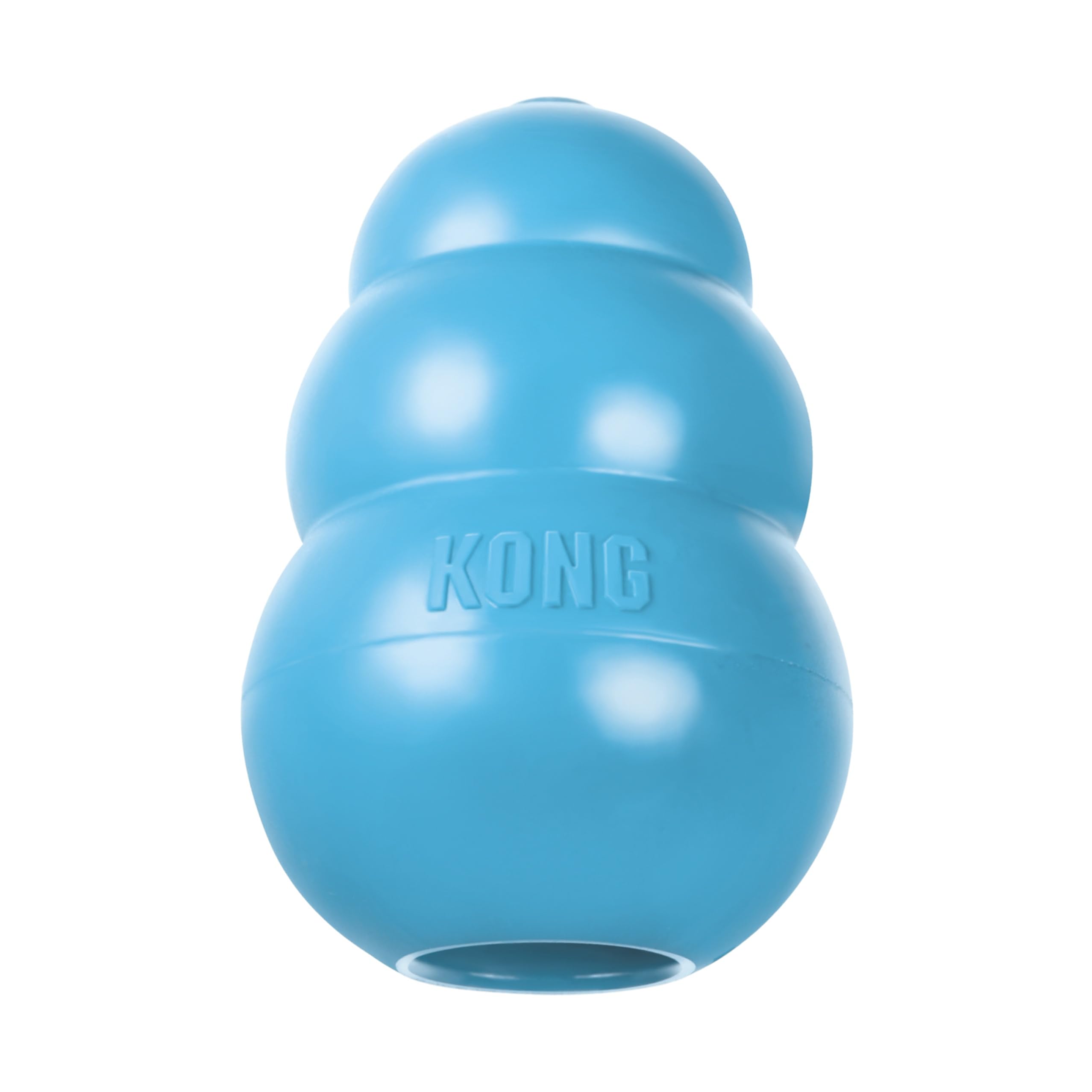
KONG Puppy - Natural Teething Rubber Chew Toy for Dogs - Stu...
Highly recommended dog chew with a 4.6★ rating.
View on AmazonThe KONG Puppy is a gold standard for a reason. It is highly rated and perfect for dogs, specifically designed with a customized rubber formula that supports the unique needs of a puppy's mouth. Not only does it help with teething, but its ability to be stuffed with treats makes it an incredible tool for extended playtime and mental engagement.
How to Redirect Destructive Chewing
Understanding the need to chew is half the battle; the other half is management. If your dog is currently targeting your belongings, follow these expert tips to redirect their focus:
- The Swap Technique: Never just take an item away. If you catch your dog with a shoe, say "thank you" and immediately replace it with a high-quality chew toy.
- Rotate Your Toys: Dogs can get bored with the same textures. Keep a rotation of 3-4 different toys to keep the "novelty" factor high.
- Use Positive Reinforcement: When you see your dog choosing their toy over the carpet, praise them! A little bit of verbal encouragement goes a long way in reinforcing good habits.
- Address the Root Cause: If the chewing is excessive, consider if your dog is getting enough physical exercise and social interaction. Sometimes, destructive chewing is a cry for attention or a result of pent-up energy.
Safety First: Choosing the Right Chew
Not all chew toys are created equal. As a pet behaviorist, I always advise owners to look for toys made from non-toxic materials. Avoid items that are too hard (like real bones or stones), as these can cause tooth fractures. Similarly, avoid toys that can easily be shredded into small pieces, which could pose a choking hazard or cause intestinal blockages.
Always supervise your dog when they are introduced to a new toy to ensure they aren't able to break off large chunks. Once you find a safe, durable option that your dog loves, you’ll notice a significant improvement in their overall temperament.
Final Thoughts from PawPicks
Chewing is more than just a habit—it's a window into your dog's health and happiness. By providing the right tools, like the KONG Puppy, you aren't just saving your furniture; you are investing in your dog’s mental health, dental hygiene, and overall quality of life. Happy dogs need to chew, and as responsible owners, it's our job to give them the very best to gnaw on.