The Ultimate Guide to Understanding Your Dog's Need to Chew
As a dog owner, you’ve likely come home to a scene of absolute devastation at least once. Perhaps it was a beloved pair of leather shoes, the corner of your wooden coffee table, or a brand-new TV remote reduced to plastic shards. In those moments of frustration, it is easy to wonder: Why is my dog doing this to me?
As a professional pet behaviorist, I hear this question daily. But here is the most important truth you need to understand: chewing is not a behavioral problem. It is a biological necessity. For dogs, chewing is as natural and essential as breathing, barking, and wagging their tails. Trying to stop a dog from chewing entirely is not only impossible, but it is also detrimental to their well-being.
Instead of trying to suppress this instinct, our job as pet parents is to understand the science behind it and redirect it toward safe, healthy, and durable outlets. In this comprehensive guide, we will dive deep into the physical, mental, and developmental reasons why dogs need to chew, and how you can save your furniture while keeping your pup blissfully happy.
The Science of Chewing: Why Do Dogs Do It?
To successfully manage your dog's chewing habits, we must first look at the "why." Chewing serves several critical functions throughout a dog's life, spanning from puppyhood to their senior years.
1. Mental Stimulation and Boredom Busting
Dogs are highly intelligent, active animals. In the wild, their ancestors spent hours hunting, foraging, and solving problems to survive. Our modern domestic dogs, however, have their meals served in bowls and often spend hours waiting for us to return from work. This lack of mental stimulation leads to profound boredom.
When a dog is bored, they look for a job to do. Chewing is the ultimate self-entertainment. It requires focus, coordination, and physical effort. A solid 30-minute chew session can tire a dog out mentally just as much as a brisk walk around the block, making it an excellent tool for rainy days or busy work-from-home afternoons.
2. Stress Relief and Emotional Regulation
Have you ever noticed your dog chewing vigorously after a stressful event, like a bath, a visit from the mail carrier, or a thunderstorm? This is because chewing is a powerful self-soothing mechanism.
The repetitive physical action of chewing triggers the release of feel-good hormones in a dog's brain, specifically endorphins and dopamine. These chemicals naturally lower heart rates, reduce cortisol (stress hormone) levels, and induce a state of calm. For dogs suffering from separation anxiety, mild fears, or general hyperactivity, a high-quality chew toy acts as a natural, drug-free pacifier.
3. Dental Hygiene and Oral Health
Just like humans, dogs suffer from plaque buildup, tartar, and gingivitis. While daily brushing is the gold standard for canine oral care, many dogs resist having their teeth brushed. This is where active chewing comes to the rescue.
As your dog chews on a textured, rubbery surface, the mechanical action scrapes against their teeth. This acts as a natural toothbrush, rubbing away plaque before it can calcify into stubborn tartar. Furthermore, chewing stimulates saliva production, which contains natural enzymes that help fight oral bacteria and keep their breath smelling fresher.
4. Puppy Teething and Exploration
If you have a puppy between the ages of 3 and 8 months, chewing is an absolute rule of life. Puppies lose their baby teeth and grow 42 adult teeth during this window. This process causes significant discomfort, pressure, and inflammation in their gums. Chewing on cold or firm objects provides ice-like relief to those sore areas.
Additionally, puppies explore the world with their mouths. Lacking hands, they use their teeth to determine if an object is hard, soft, warm, cold, edible, or fun. Safe chew toys are vital during this stage to teach them what is "theirs" to chew versus what belongs to you.
How to Stop Destructive Chewing (Without Scolding)
Now that we know why dogs chew, how do we protect our homes? The secret lies in positive redirection. Scolding a dog after the fact does not work; they cannot associate your anger with an action they did hours ago. Instead, follow these professional behaviorist tips:
- Puppy-Proof Your Space: Keep shoes, laundry, and electronics out of reach. If they can't access it, they can't chew it.
- Catch Them in the Act: If you catch your dog chewing your shoe, gently interrupt them with a neutral sound (like "uh-oh"), take the shoe, and immediately replace it with an approved chew toy. When they chew the toy, shower them with praise!
- Make Chew Toys Irresistible: A plain plastic bone can be boring. Opt for toys that can be stuffed with delicious treats like peanut butter, wet food, or pumpkin puree. Freezing the stuffed toy makes it last twice as long and provides an extra soothing challenge.
Our Top Recommendation: The Ultimate Chew Solution
If you are looking for a durable, safe, and highly engaging chew toy that satisfies all your dog's instinctual needs, there is one gold-standard product that behaviorists and veterinarians worldwide recommend. It is highly rated and perfect for dogs of all sizes, especially those with powerful jaws.

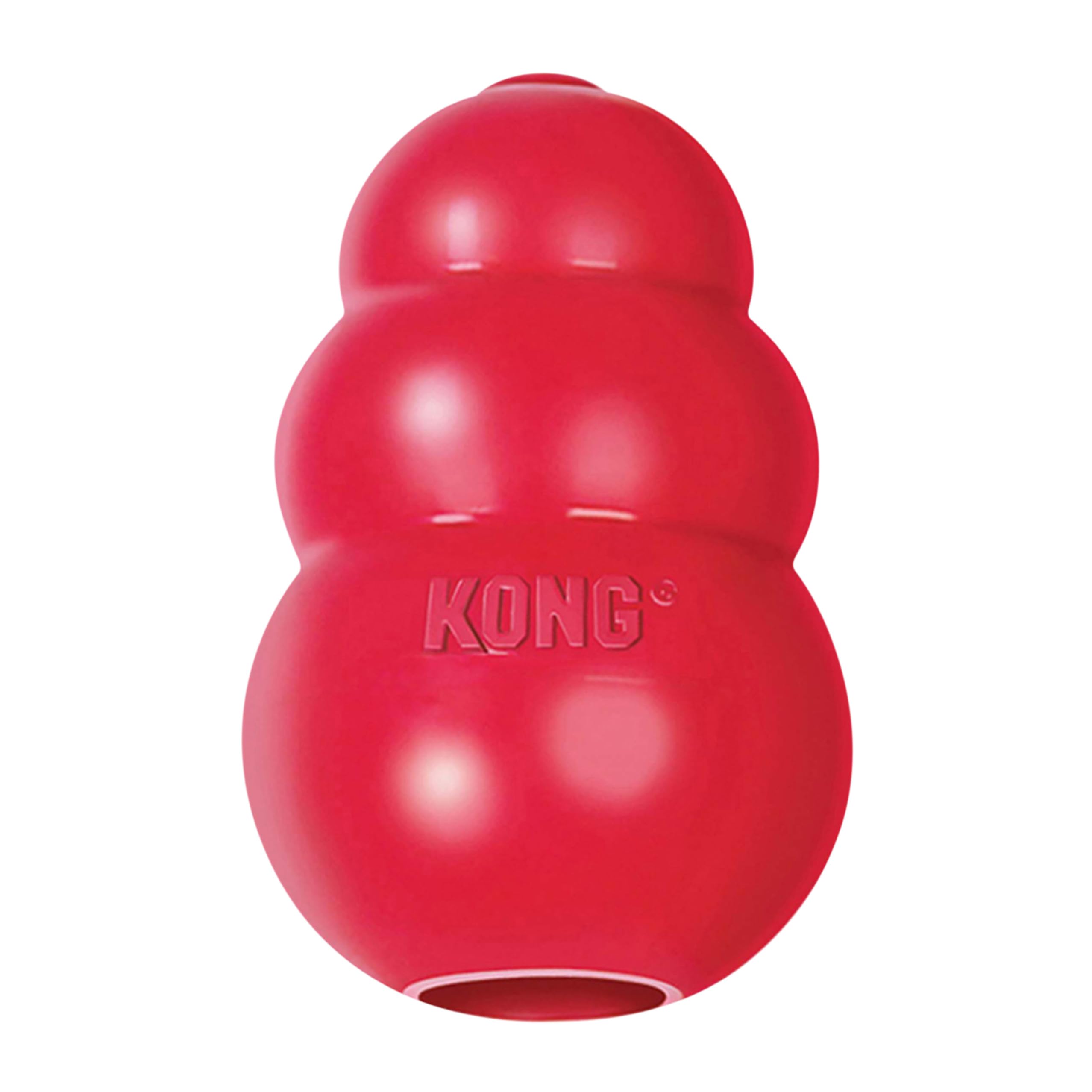
KONG Classic Stuffable Dog Toy - Fetch & Chew Toy for Dogs -...
Highly recommended dog chew with a 4.6★ rating.
View on AmazonThe classic red rubber design is legendary for a reason. Its unique shape gives it an erratic bounce, making it perfect for interactive games of fetch. But its true superpower lies in its hollow center. By stuffing this toy with healthy treats and freezing it, you can provide your dog with hours of mental stimulation, easing their anxiety and saving your favorite furniture from destructive chewing.
Choosing Safe Chew Toys: What to Avoid
While chewing is healthy, not all chew toys are created equal. As a dog owner, you must be vigilant about the materials you introduce to your pet. Avoid these common hazards:
- Cooked Bones: Never give your dog cooked bones from dinner. They splinter easily and can cause life-threatening punctures in your dog's stomach or intestines.
- Cheap Plastics: Low-quality plastic toys can break into sharp shards that your dog might swallow. Always opt for durable, non-toxic natural rubber.
- Extremely Hard Objects: A good rule of thumb is the "thumbnail test." If you press your thumbnail into a chew toy and it leaves no indentation at all (like deer antlers or hard nylon bones), it may be hard enough to fracture your dog's teeth.
Conclusion: Happy Chewing, Happy Dog
Understanding your dog's natural urges is the first step to building a harmonious relationship with them. Chewing isn't a sign of a "bad" dog; it is the sign of a normal, healthy dog trying to navigate their world, soothe their emotions, and keep their brain active. By providing them with high-quality, durable outlets like stuffable rubber toys, you aren't just protecting your home—you are actively investing in your dog's long-term mental and physical happiness.