The Misunderstood World of Reptile Intelligence
For decades, the common misconception among pet owners was that reptiles were simply 'biological machines'—creatures driven purely by instinct, heat-seeking, and hunger. However, as pet behaviorists here at PawPicks, we have seen the tide turn. Modern herpetology and behavioral science have proven that reptiles, from the tiny Leopard Gecko to the majestic Bearded Dragon, possess complex cognitive abilities and emotional lives.
When we bring these incredible creatures into our homes, we take on the responsibility of not just keeping them alive, but helping them thrive. A bare glass box with a heat lamp is a cage; a textured, interactive environment with enrichment 'toys' is a home. In this guide, we will explore why enrichment is vital for your scaly friends and how the right accessories can transform their well-being.
Why Enrichment Isn't Optional
In the wild, a reptile’s day is filled with choices. They must decide where to bask, where to hide from predators, how to navigate complex terrain, and how to hunt for their next meal. In captivity, these choices are often stripped away. This lack of stimulation can lead to 'learned helplessness' or chronic stress.
Physical Health: Just like dogs or cats, reptiles can become obese if they lead sedentary lives. Enrichment toys encourage movement. Climbing over rocks, squeezing through crevices, and exploring new textures keeps their muscles toned and their joints limber.
Mental Stimulation: Boredom is a real issue for captive reptiles. It often manifests as 'glass surfing' (constantly rubbing their nose against the glass) or extreme lethargy. Introducing new objects into their environment stimulates their brain, encouraging natural exploratory behaviors.
The Power of the 'Hide and Seek' Instinct
One of the most critical psychological needs for any reptile is the sense of security. In the wild, a reptile that is out in the open is a reptile that is in danger. Providing complex hiding spots—toys that double as shelters—allows your pet to regulate their stress levels. When a reptile knows they have a safe place to retreat, they actually become more confident and spend more time visible in their enclosure because they feel secure in their environment.
Types of Reptile Enrichment
When we talk about 'toys' for reptiles, we aren't talking about squeaky balls or chew toys. We are talking about environmental enrichment. This can be broken down into several categories:
- Physical Enrichment: Items that change the topography of the tank, such as branches, ledges, and caves.
- Sensory Enrichment: Different textures like slate, soft moss, or rough bark that provide tactile stimulation.
- Foraging Enrichment: Puzzle feeders or hiding insects in crevices to make the reptile 'work' for their food.
- Social/Visual Enrichment: Adding new visual elements to the tank to pique their curiosity.
Creating a Micro-Environment
To truly satisfy a reptile, you need to create a 'micro-environment' within their enclosure. This means providing various zones. A 'hot' zone for basking, a 'cool' zone for thermoregulation, and a 'secure' zone for sleeping. The best toys are those that serve multiple purposes—something that looks natural, provides a climbing surface, and offers a dark, cramped space for hiding.

Aquarium Skull Animal Skeletons, Reptile Tank Accessories, F...
Highly recommended reptile toy with a 4.9★ rating.
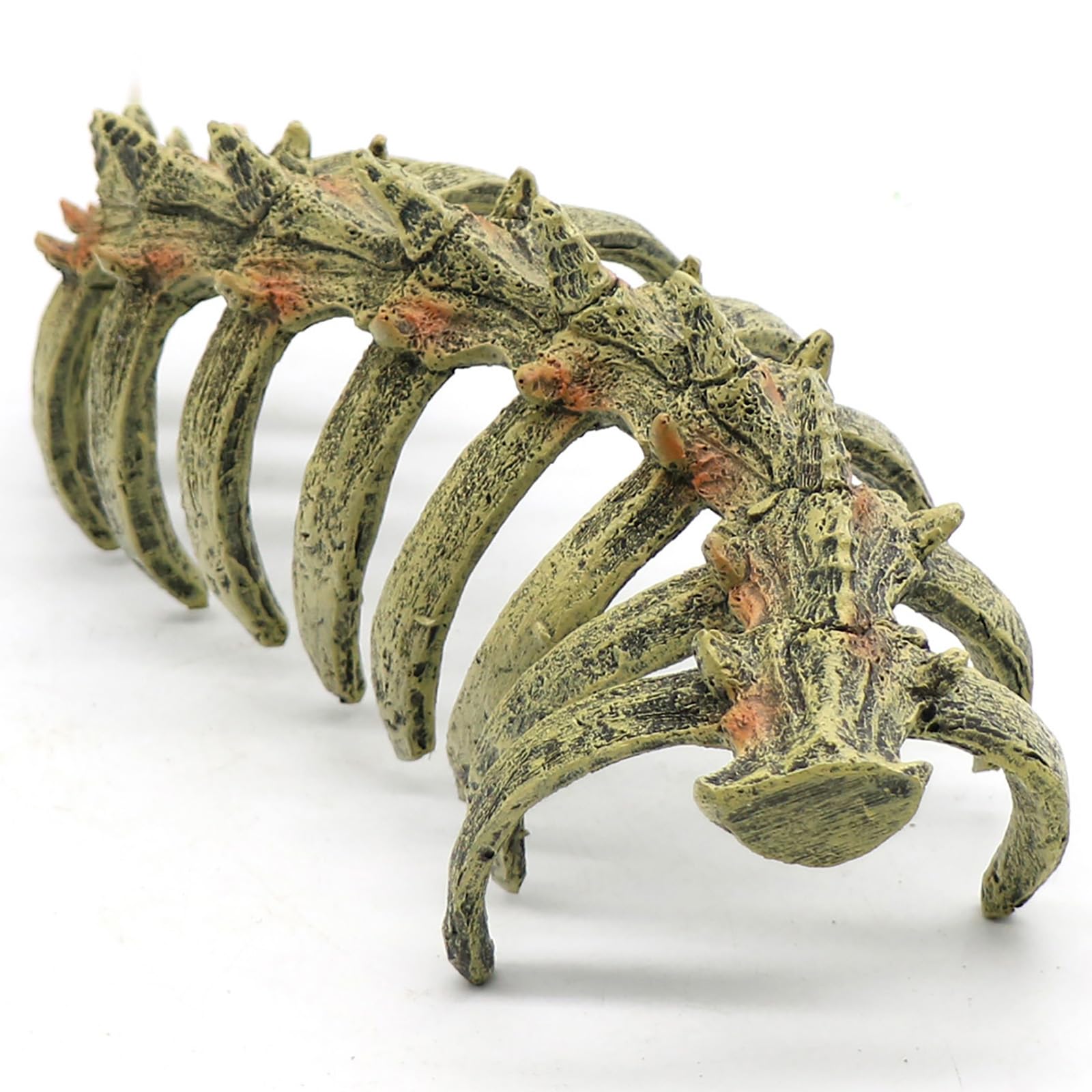
View on AmazonWhen selecting the perfect addition to your tank, you want something that offers both a visual 'wow' factor and functional utility. That is why we highly recommend the Aquarium Skull Animal Skeletons. This piece isn't just a decoration; it’s a multi-functional enrichment tool. It is highly rated and perfect for reptiles like Leopard Geckos and snakes who love to weave through eye sockets and hide in the cranial cavity. At just $19.79, it’s an affordable way to add a 4.9-star rated sanctuary to your pet's habitat.
The Science of Textures and Shedding
A good reptile toy also serves a very practical purpose: assisting with the shed. Reptiles need rough surfaces to rub against to help loosen their old skin. Without proper textures in their environment, they can suffer from 'stuck shed,' particularly around their toes and eyes, which can lead to infections or even loss of circulation. By providing toys with varied surfaces—like the intricate details of a skull or the ruggedness of natural stone—you are providing them with the tools they need for basic hygiene.
Safety First: Choosing the Right Materials
Not all decorations are created equal. When you are shopping for your reptile, keep these safety tips in mind:
- Non-Toxic Materials: Ensure that any dyes or resins used are food-grade and won't off-gas under high heat lamps.
- No Sharp Edges: Run your finger along the inside of any hide or toy. If it feels sharp to you, it could tear the delicate skin of a gecko or a snake.
- Appropriate Sizing: Make sure the holes in the toy are either much larger than your pet or much smaller. You want to avoid the 'goldilocks zone' where a reptile can get their head in but not get their body out.
- Easy to Clean: Reptiles carry bacteria like salmonella naturally. Your toys should be easy to soak and disinfect during your deep-clean days.
Signs Your Enrichment is Working
How do you know if your reptile is actually 'playing' or benefiting from these additions? As a behaviorist, I look for a few key indicators:
1. Increased Tongue Flicking: In snakes and many lizards, increased tongue flicking when a new object is introduced is a sign of active investigation and interest.
2. Usage of Vertical Space: If you add a climbing toy and find your pet sitting on top of it the next morning, they are utilizing the three-dimensional space of their enclosure, which is a huge win for their physical health.
3. Normal Sleep Patterns: A reptile that feels secure in its hides will sleep deeply and emerge with more energy during its active hours.
Conclusion: The PawPicks Philosophy
At PawPicks, we believe that every pet, no matter how small or scaly, deserves a life full of wonder and engagement. Providing toys for your reptile isn't about anthropomorphizing them; it’s about respecting their biology. By adding complex textures, secure hides, and climbing opportunities, you aren't just decorating a tank—you are building a kingdom for your pet.
Remember, a happy reptile is an active, healthy, and long-lived reptile. Start small, observe their behavior, and don't be afraid to rotate toys in and out to keep their environment fresh and exciting. Your scaly companion will thank you for it!