The Secret Minds of Horses: Why Mental Stimulation Matters
When we think of horses, we often picture them galloping across open pastures, wind in their manes, embodying the very essence of freedom. But for the modern domesticated horse, reality is often much more confined. Many horses spend a significant portion of their day in stalls or small paddocks. As highly intelligent, social prey animals, horses possess active minds that require constant engagement. Without proper mental stimulation, they can quickly fall victim to boredom, anxiety, and behavioral issues.
At PawPicks, we believe that every animal—from the smallest pup to the grandest stallion—deserves a life enriched by play. In this guide, we will dive deep into the psychology of equine boredom, explore the concept of equine enrichment, and explain why interactive play is essential for your horse's well-being.
The Psychology of a Bored Horse: Recognizing the Signs
In the wild, horses spend up to 16 hours a day foraging, walking miles, and interacting with their herd. When domesticated, their food is often delivered in neat piles twice a day, leaving them with hours of empty time. This lack of natural activity can lead to chronic stress and the development of "stereotypies" or stall vices. These are repetitive, compulsive behaviors that indicate a horse is struggling to cope with its environment.
- Cribbing: Grasping an object with their teeth and sucking in air, which releases endorphins but damages teeth and can cause colic.
- Weaving: Swaying the head and forequarters from side to side, putting immense strain on their joints.
- Stall Walking: Pacing endlessly around the stall, leading to uneven hoof wear and physical exhaustion.
- Wood Chewing: Gnawing on fences or stall doors out of sheer frustration and lack of dietary fiber or mental engagement.
As horse owners and behaviorists, it is our responsibility to step in before these habits become ingrained. Physical exercise under saddle is wonderful, but it does not replace the need for self-directed, interactive mental stimulation.
What is Equine Enrichment?
Equine enrichment is the practice of introducing environmental stimuli to encourage natural behaviors, satisfy psychological needs, and improve overall welfare. Just like dogs need puzzle toys, horses need interactive challenges that make them think, solve problems, and work for their rewards.
Enrichment can take many forms, including:
- Cognitive Enrichment: Puzzles and toys that require the horse to figure out how to release a treat.
- Sensory Enrichment: Introducing new scents (like herbs), textures, or sounds to stimulate their senses.
- Feeding Enrichment: Slow feeders, hay nets with small holes, or treat-dispensing balls that mimic natural grazing patterns.
- Physical Enrichment: Adding obstacles, scratch brushes, or giant play balls to their turnout areas.
The Incredible Benefits of Interactive Play
When you introduce interactive toys to a horse's routine, the transformation can be remarkable. Firstly, interactive play stimulates the brain, releasing dopamine and promoting a sense of calm and satisfaction. Secondly, it helps reduce cortisol (the stress hormone), which can dramatically lower the risk of stress-induced ulcers—a common ailment in stabled horses.
Furthermore, interactive play builds confidence. When a horse successfully navigates a puzzle toy or interacts with a new object, they learn to overcome fear, making them more adaptable and less spooky under saddle. It also strengthens the bond between horse and handler, as you become the source of exciting, positive experiences.
Fostering Equine Empathy: Interactive Play for Future Equestrians
Understanding the complex emotional and mental needs of horses is a journey that starts early. To truly advocate for equine welfare, the next generation of riders must learn that horse care goes far beyond grooming and riding—it is about understanding stable management, social dynamics, and mental enrichment. Building this empathy in young minds is easiest through realistic, hands-on play.
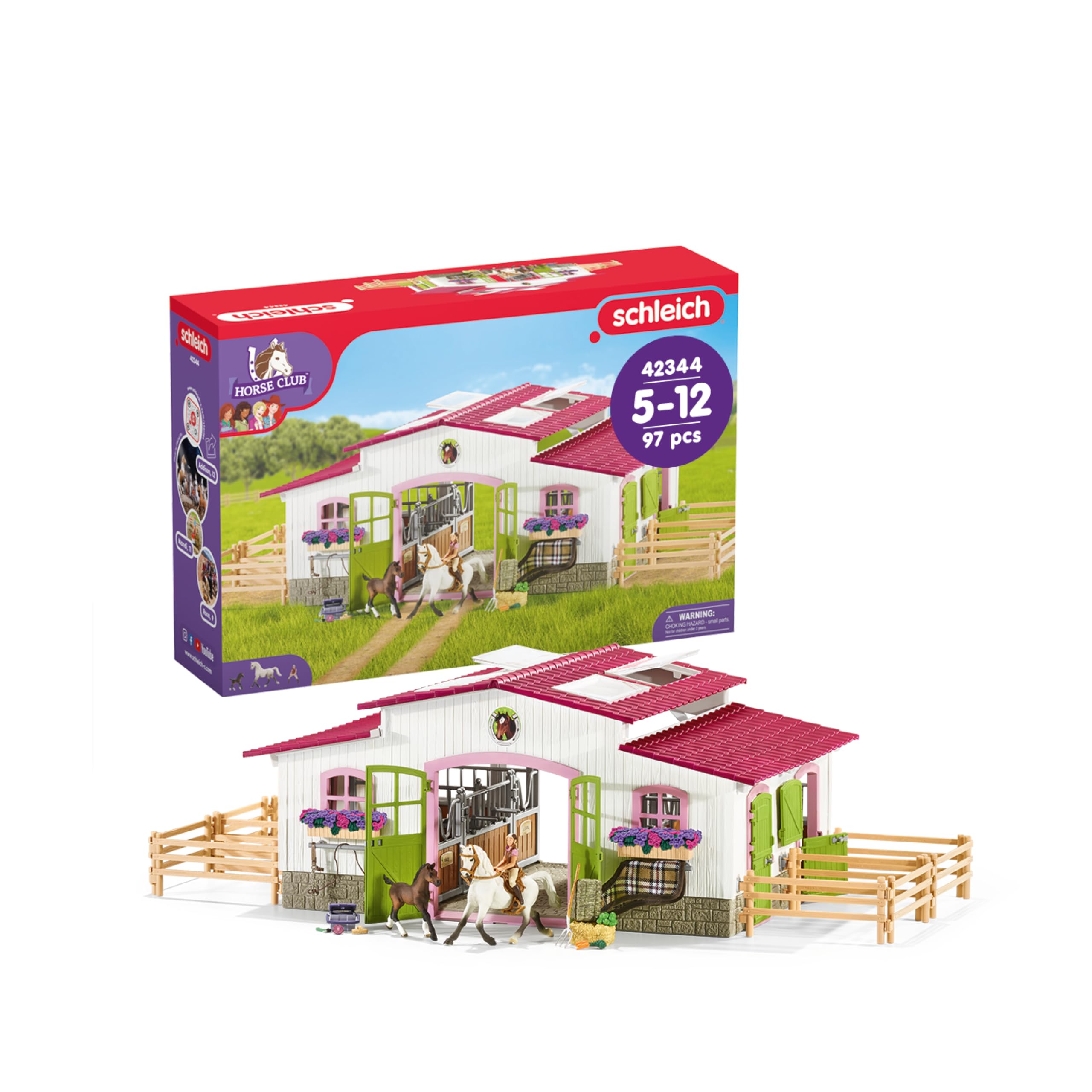
If you want to inspire a young equestrian or deepen your own appreciation for realistic stable setups, we highly recommend this exceptional interactive playset. It is highly rated and perfect for horses and their admirers alike, offering a detailed look at how a healthy, active riding center operates.

Schleich Horse Club - 97PC Riding Center Horse Toy Playset w...
Highly recommended horse interactive with a 4.7★ rating.
View on AmazonHow to Choose and Introduce Interactive Toys Safely
When selecting interactive toys for your horse, safety must always come first. Horses are incredibly strong, and a toy that is safe for a dog might easily be crushed and swallowed by a horse. Here are a few behaviorist-approved tips for introducing interactive play safely:
1. Prioritize Durability
Look for toys made from heavy-duty, food-grade plastics or thick rubber. Ensure there are no small, detachable parts, sharp edges, or ropes that could wrap around a horse's leg.
2. Start Simple
If your horse has never used an interactive toy, they may get frustrated easily. Start with simple treat-dispensing balls that roll easily and release food quickly. As they learn the concept, you can increase the difficulty.
3. Supervise the First Interaction
Always watch your horse the first few times they play with a new toy. Observe how they react—some horses may get spooked by a rolling ball, while others might try to stomp on it. Guide them gently and reward calm curiosity.
Conclusion: A Happy Horse is an Active Thinker
Horses are majestic, sensitive, and deeply intelligent creatures. Providing them with physical care is only half the battle; we must also nurture their minds. By incorporating interactive play and thoughtful enrichment into their daily routines, we can prevent stall vices, reduce anxiety, and foster a happier, healthier partnership with our equine companions. Whether in the stable or through imaginative play at home, understanding the rich inner lives of horses is the key to truly connecting with them.