The Hidden Emotional Lives of Our Smallest Companions
When we think of pet toys, our minds often drift to large golden retrievers fetching tennis balls or cats chasing laser pointers. But what about our smaller companions? Whether you share your home with a pint-sized puppy, a tiny toy breed dog, or other small animals like ferrets and rabbits, their emotional and developmental needs are just as complex. As a pet behaviorist, one of the most common questions I get is: Do small animals actually need plush toys?
The short answer is a resounding yes. For small animals, a soft plush toy is far more than just a plaything. It is a source of security, a tool for cognitive development, and a vital outlet for natural behaviors. In this guide, we will dive into the behavioral science of why small animals crave plush comfort and how you can choose the safest, most enriching toys for your tiny friends.
Why Texture and Tactile Comfort Matter
In the wild, small animals and young pups rely heavily on physical contact. Littermates huddle together for warmth, safety, and social bonding. When a small animal is brought into a human home, they can experience a form of sensory deprivation if they don't have access to soft, tactile surfaces that mimic this natural closeness.
1. Mimicking Maternal Warmth and Littermate Snuggles
Young puppies and small animals have difficulty regulating their body temperature and emotional states when left alone. A soft plush toy acts as a surrogate companion. It provides physical warmth and a comforting texture that mimics the feeling of snuggling against a mother or littermate. This tactile feedback triggers the release of oxytocin (the "bonding hormone") in their brains, helping them feel secure and relaxed.
2. Anxiety Relief and Stress Reduction
Small animals are naturally prey species (or, in the case of toy dogs, highly sensitive companions). This means they are easily startled by loud noises, sudden movements, or changes in their environment. Having a dedicated "security plush" gives them a portable safe haven. Many small dogs and pocket pets will carry their favorite plush toy to their bed or crate when they feel overwhelmed. This self-soothing behavior is incredibly healthy and prevents the development of separation anxiety.
3. Safe Outlets for Natural Behaviors
Small animals have an instinctual urge to explore the world with their mouths. Puppies chew to soothe teething pain, while other small pets chew and carry objects to build nests or explore textures. A high-quality, soft plush toy provides a safe, non-destructive outlet for these behaviors. Instead of chewing on your baseboards, carpets, or dangerous electrical cords, they can redirect their energy toward a soft, satisfying plush.
What Makes a Great Plush Toy for Small Animals?
Not all plush toys are created equal. When shopping for smaller animals, you need to look for specific features to ensure the toy is both engaging and safe:
- Appropriate Sizing: A toy that is too large can intimidate a small pet, while a toy that is too small can pose a choking hazard. Look for lightweight, pint-sized plushies.
- Gentle Textures: Look for soft fabrics like fleece, micro-plush, or corduroy that are gentle on sensitive mouths and paws.
- Sensory Stimulation: Squeakers, crinkle paper, or varied textures keep small brains active and engaged during solo play.
- Durability: While no plush toy is completely indestructible, double-stitched seams and high-quality materials are essential.
Our Top Recommendation: The Ultimate Multi-Pack for Small Pets
If you are looking for the perfect starter pack to satisfy your small pet's instinctual needs, we have found an incredible, highly-rated solution that pet owners absolutely love. It offers an amazing variety of shapes, colors, and textures designed specifically for smaller jaws and paws.

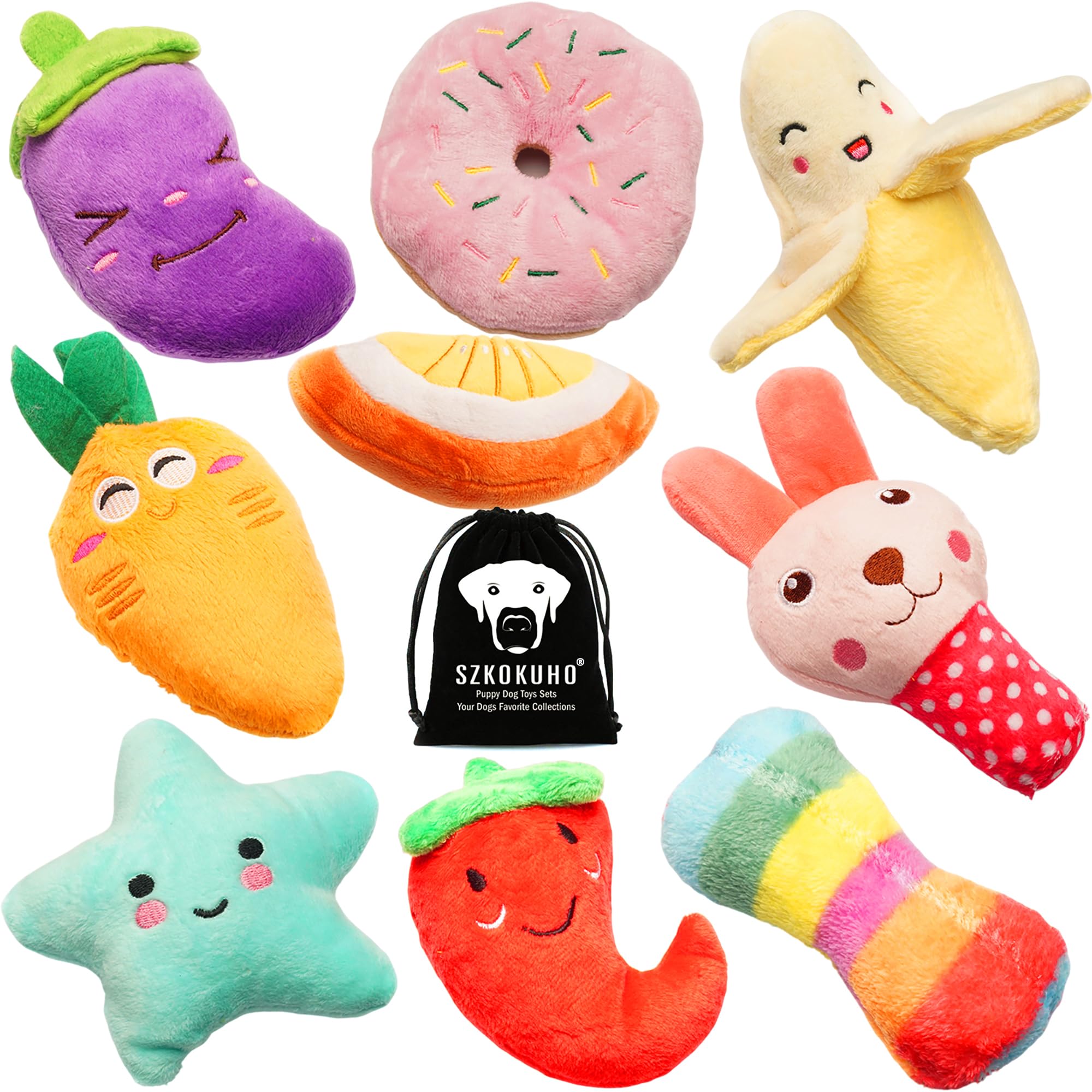
9 Pack Small Dogs Puppy Squeaky Dog Toys,Cute Variety Colors...
Highly recommended small_animal plush with a 4.6★ rating.
View on AmazonThis 9-pack of squeaky plush toys is a fantastic investment for any small pet owner. At an unbeatable price of just $0.99, you get nine unique designs. This variety is crucial because small animals can easily get bored with the same toy. By rotating these cute, colorful plushies, you keep their playtime fresh and intellectually stimulating. Plus, with an impressive 4.6 out of 5-star rating, thousands of pet parents trust these toys to keep their tiny companions happy and comforted.
How to Safely Introduce a Plush Toy to Your Small Pet
To get the most out of your pet's new plush toys, follow these simple behaviorist-approved tips:
- Supervise Initial Play: Always watch your pet play with a new toy for the first few times. Observe how they interact with it to ensure they aren't trying to ingest the stuffing or squeaker.
- Scent the Toy: Before giving the toy to a highly anxious pet, rub it gently against your hands or place it in your clean laundry basket for an hour. Your familiar scent will make the plush instantly comforting.
- Rotate the Collection: Don't dump all nine toys in their play area at once. Give them two or three, and swap them out weekly. This maintains the "new toy" excitement and keeps boredom at bay.
- Inspect Regularly: Check the toys periodically for tears or loose seams. If a plush becomes heavily damaged, discard it and replace it with a fresh one from your pack.
Final Thoughts: Small Pets, Big Hearts
Providing your small animal with a plush toy is about so much more than just keeping them busy. It is about honoring their emotional and instinctual needs for warmth, security, and gentle play. By investing in high-quality, appropriately sized plushies, you are actively supporting your pet's mental health and overall well-being. Give your little companion the comfort they deserve today!