The Secret Life of Fish: Do They Really Need Toys?
For decades, fish have been misunderstood as the ultimate low-maintenance, "set-and-forget" pet. Many people picture a goldfish swimming in a plain glass bowl, perfectly content with a life of simple repetition. But as a pet behaviorist, I am here to bust that myth once and for all. Fish are far more intelligent, sensitive, and active than most people realize. Just like dogs and cats, fish can experience boredom, depression, and chronic stress when kept in an under-stimulating environment.
In their natural habitats, fish navigate complex underwater landscapes. They battle river currents, forage through dense aquatic plants, hide from predators in rocky crevices, and interact with their environment. When we place them in a sterile tank with nothing but water and gravel, we strip away their natural behaviors. That is why "fish toys"—which we behaviorists refer to as environmental enrichment—are absolutely essential for their physical and mental well-being.
How to Tell If Your Fish Is Bored or Stressed
Because fish don't whine, bark, or meow, it can be difficult for pet parents to recognize when they are unhappy. However, a bored or stressed fish will exhibit distinct behavioral cues. If you notice any of the following signs, your aquatic friend is likely crying out for some mental stimulation:
- Glass Surfing: This is when a fish swims frantically up and down the glass walls of the tank. It is a classic sign of stress, boredom, or a tank that is too small.
- Lethargy: If your fish spends most of its day hovering listlessly in one corner or resting on the gravel (and it isn't a species-specific resting behavior), they may be under-stimulated.
- Aggression: In community tanks, bored fish may begin nipping the fins of their tankmates simply because they have nothing else to do.
- Loss of Color: Stress and boredom can actually cause a fish’s vibrant colors to fade over time.
What Exactly Is a "Fish Toy"?
When we talk about toys for fish, we aren't talking about plush squeaker toys or tennis balls. Instead, fish toys are items that encourage natural behaviors like exploring, foraging, hiding, and playing. Here are some of the best types of enrichment you can introduce to your aquarium:
1. Caves and Tunnels
Most fish species are prey animals in the wild, which means they feel safest when they have a secure place to hide. Adding caves, hollow logs, and tunnels gives your fish a sense of security while encouraging them to swim through and explore their territory.
2. Live or Silk Plants
Plants act as obstacle courses for fish. Swimming through gentle leaves provides tactile stimulation. Be sure to use live plants or soft silk plants, as cheap plastic plants can have sharp edges that tear delicate fins, especially those of Bettas.
3. Interactive Elements and Bubblers
Many fish, particularly active species like Goldfish and Bettas, love playing in currents. Air stones and bubblers create gentle currents and columns of bubbles that fish enjoy swimming through. It’s the aquatic equivalent of a wind tunnel!
4. Dynamic Lighting
Visual stimulation is highly underrated in the fishkeeping world. Changes in light mimic the natural movement of the sun and moon, keeping your fish’s circadian rhythm in check and providing visual novelty that keeps them alert and curious.
The Ultimate Enrichment Solution: A Dynamic Habitat
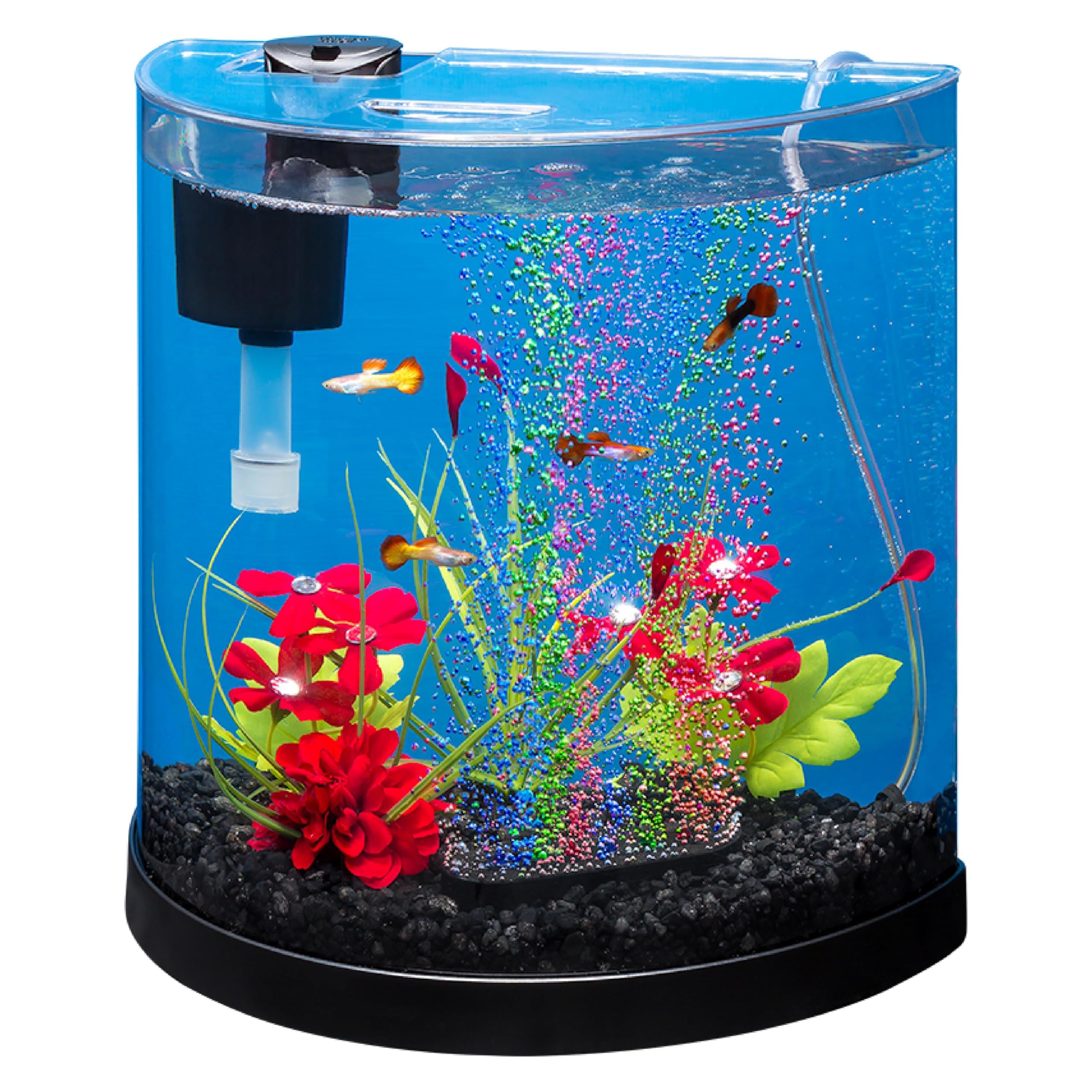
Sometimes, the best "toy" you can give your fish is a complete upgrade to their environment. A high-quality tank that incorporates filtration, gentle water movement, and engaging visual stimulation is the ultimate way to keep your fish active and healthy. If you are looking for the perfect starter setup or an upgrade for your Betta or Goldfish, we highly recommend this incredible kit. It is highly rated and perfect for fishs of all kinds, providing both a safe home and a stimulating sensory experience.

Tetra 3 Gallon Small Fish Tank, Aquarium Starter Kit, with F...
Highly recommended fish toy with a 4.1★ rating.
View on AmazonHow to Safely Introduce Toys to Your Fish
Just like with any other pet, safety should always come first when selecting and introducing toys to your aquarium. Follow these simple guidelines to keep your fish safe:
- Avoid Sharp Edges: Run a pair of pantyhose over any ornament before placing it in the tank. If it snags the fabric, it will rip your fish's fins.
- Check the Material: Only buy toys specifically rated for aquarium use. Household plastics can leach toxic chemicals into the water over time.
- Don't Overcrowd: While toys are great, your fish still needs plenty of open swimming space. Leave at least 50% of the tank free of clutter.
- Rotate Toys: To keep things exciting, swap out one or two decorations during your weekly water changes. This keeps the environment feeling fresh and new to your fish.
Conclusion: A Happy Fish is an Active Fish
Providing your fish with toys and a stimulating environment isn't just about entertainment; it is a vital component of their overall health. Mental stimulation lowers stress hormones, boosts their immune systems, and encourages active swimming, which prevents muscle atrophy. By investing in high-quality enrichment and a dynamic habitat, you aren't just keeping a pet—you are giving your finned companion a life worth living. Dive into enrichment today and watch your fish truly thrive!