More Than Just a Decor Piece: The Hidden Emotional Life of Fish
For decades, there has been a persistent myth in the pet world: that fish are 'set it and forget it' pets. Many believe that as long as the water is clean and the food is dropped in daily, a fish is perfectly content. However, as a pet behaviorist, I can tell you that this couldn't be further from the truth. Fish are far more intelligent and emotionally complex than we often give them credit for.
Recent studies in aquatic ethology have shown that fish have long-term memories, can recognize their owners, and even experience stress when their environment is stagnant. Just like a dog needs a chew toy or a cat needs a scratching post, your fish needs environmental enrichment to live a full, healthy life. Without it, fish can become lethargic, develop weakened immune systems, and exhibit abnormal behaviors.
Can a Fish Actually Get Bored?
It sounds strange to imagine a goldfish or a betta feeling 'bored,' but in the scientific community, we refer to this as a lack of environmental stimulation. In the wild, fish are constantly navigating currents, searching for food, hiding from predators, and interacting with a complex ecosystem. When we place them in a bare glass box, we strip away all those natural challenges.
Signs that your fish might be suffering from a lack of stimulation include:
- Glass Surfing: This is when a fish swims up and down the glass walls of the tank constantly. It is often a sign of stress or a desperate need for more space and interaction.
- Lethargy: If your fish is floating in one spot for hours (and it’s not a species-specific behavior), they may have simply 'given up' on their environment.
- Aggression: In a boring environment, some fish may become overly territorial or aggressive toward tank mates because they have nothing else to focus on.
The Science of Play: Why Toys Matter
Providing toys and decor isn't just about making the aquarium look nice for you; it’s about providing cognitive and physical outlets for your pet. When a fish has objects to investigate, they are using their brains to map their surroundings. This mental exercise keeps their neurological pathways sharp.
Furthermore, toys that create movement in the water, such as bubblers or filters, provide physical exercise. Swimming against a gentle current helps maintain muscle tone and cardiovascular health. For species like Bettas or Cichlids, which are known for their curiosity, a new object in the tank can provide hours of 'investigative play'—a behavior that releases dopamine and reduces cortisol levels.
Types of Enrichment for Your Aquatic Friends
When we talk about 'toys' for fish, we aren't necessarily talking about rubber ducks. Enrichment for fish falls into several key categories:
1. Structural Enrichment
This includes caves, tunnels, and driftwood. Fish need 'safe zones' where they can hide and feel secure. A fish that feels it has a safe place to retreat is actually more likely to spend time out in the open because its overall stress levels are lower.
2. Visual and Sensory Enrichment
Fish respond to light and color. Dynamic lighting can mimic the natural passage of time, while bubble walls provide both visual interest and tactile stimulation through the movement of water and oxygenation.
3. Foraging Enrichment
In the wild, food doesn't just fall from the sky in flake form. Using floating rings or hiding food inside crevices in rocks encourages natural foraging behavior, which is one of the best ways to keep a fish's mind active.
A Perfect Solution for Fish Enrichment
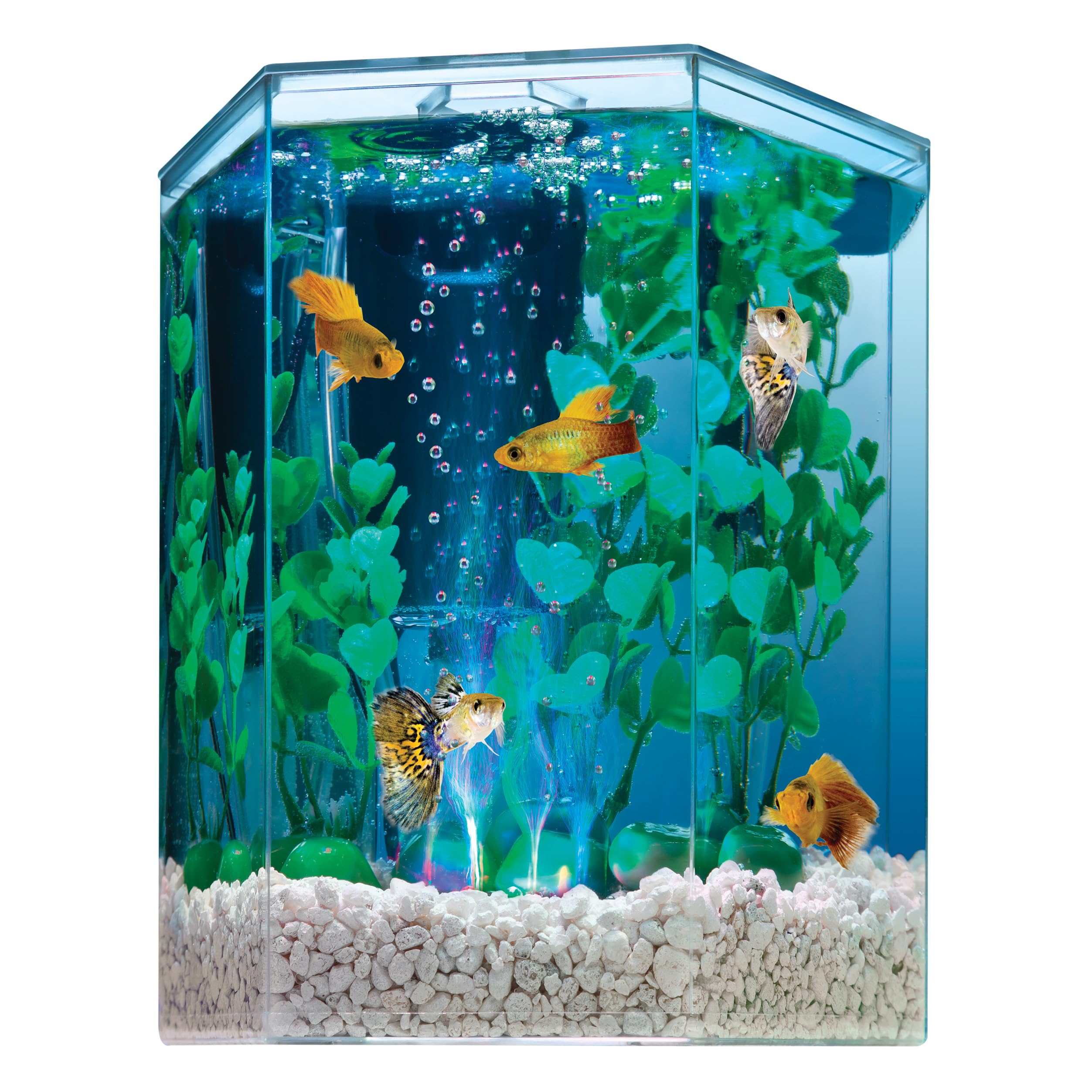
If you are looking for a way to combine aesthetic beauty with functional enrichment, we have found a standout option. It is highly rated and perfect for fishs who enjoy a dynamic environment. The combination of the unique shape and the sensory stimulation of the light and bubbles makes it an ideal choice for new and experienced keepers alike.

Tetra Bubbling LED Aquarium Kit 1 Gallon, Hexagon Shape, Wit...
Highly recommended fish toy with a 4.1★ rating.
View on AmazonThis specific kit, priced at just $25.99, offers a color-changing light disc that provides the kind of visual variety that curious fish crave. The bubbling effect not only looks great but adds much-needed oxygen and water movement to the environment, keeping your pet active and engaged.
How to Introduce Toys Safely
While enrichment is vital, safety is paramount. As a behaviorist, I always recommend a few rules when adding new items to your fish's home:
- Avoid Sharp Edges: Run a piece of nylon pantyhose over any toy. If it snags, it’s too sharp for your fish’s delicate fins.
- Check for Toxicity: Only use items specifically rated for aquarium use. Metals and certain plastics can leach toxins into the water over time.
- Don't Overcrowd: While toys are great, your fish still needs 'flight paths'—open areas where they can swim at full speed without hitting obstacles.
- Rotate Toys: To prevent 'habituation' (where a fish gets so used to an object they stop noticing it), try moving your decor around every time you do a water change. This makes the environment feel 'new' and exciting again.
The PawPicks Perspective: A Happy Fish is a Healthy Fish
At PawPicks, we believe that every pet deserves a life full of joy and stimulation, regardless of their size or species. When you invest in a good toy or an interactive aquarium setup, you aren't just buying 'stuff'—you are buying health and longevity for your aquatic companion. By observing your fish's behavior and providing them with the tools they need to explore, hide, and play, you’ll find that they become much more than just a pet; they become a fascinating, interactive part of your family.
Next time you look at your aquarium, ask yourself: 'If I were a fish, would I be having fun in there?' If the answer is no, it might be time to add some bubbles, some color, and some excitement to their world.