The Secret Intelligence of Your Underwater Friends
For decades, a persistent myth has circulated that fish have a three-second memory. As a pet behaviorist, I’m here to tell you that this couldn't be further from the truth. Scientific studies have consistently shown that fish are capable of learning, remembering, and even recognizing their owners. From the curious Betta to the social Goldfish, these aquatic creatures possess a level of intelligence that requires mental stimulation to thrive.
When we bring a fish into our homes, we aren't just adding a piece of living decor; we are taking responsibility for a sentient being. In the wild, a fish’s day is filled with foraging, navigating complex currents, avoiding predators, and interacting with a diverse ecosystem. In a glass tank, that world shrinks significantly. Without proper enrichment, fish can become lethargic, stressed, and even depressed. That is why 'toys' and environmental stimulation are not just optional extras—they are essential for a healthy, happy pet.
Understanding Fish Boredom: The Signs to Watch For
How do you know if your fish is bored? Unlike a dog that might chew up your favorite shoes or a cat that knocks glasses off the counter, fish express their frustration in more subtle ways. One common sign is 'glass surfing,' where a fish swims up and down the glass walls of the tank repeatedly. This is often a sign of stress or a lack of environmental engagement.
Other signs of a bored fish include lethargy, where the fish stays in one corner for extended periods, or even a loss of appetite. When a fish has nothing to interact with, its immune system can actually weaken, making it more susceptible to common aquatic diseases. Providing toys and a dynamic environment acts as a form of preventative medicine, keeping their minds sharp and their bodies active.
The Psychology of Play in the Aquarium
When we talk about 'toys' for fish, we aren't necessarily talking about little rubber balls (though some fish do enjoy pushing floating objects!). In the world of aquatic behaviorism, enrichment is categorized into several types:
- Physical Enrichment: This includes caves, tunnels, and driftwood that allow fish to explore and hide.
- Sensory Enrichment: Changes in water flow, bubbling features, and lighting that mimic the natural movement of the sun and water currents.
- Social Enrichment: For social species, interacting with tank mates; for solitary species like Bettas, seeing their reflection or new objects outside the tank.
- Cognitive Enrichment: Hidden food or puzzles that require the fish to 'hunt' or forage as they would in nature.
By incorporating these elements, you are transforming a static environment into a living playground. One of the most effective ways to provide both sensory and physical enrichment is through the use of bubbling features and dynamic lighting. These elements create movement in the water and visual interest that keeps a fish’s ocular senses engaged.
Why Bubbles and Lights Matter
To a fish, a stream of bubbles isn't just aeration; it’s a tactile experience. Many fish enjoy swimming through the 'curtain' of bubbles, which provides a gentle massage-like sensation on their scales. Similarly, color-changing lights can mimic the shifting hues of a coral reef or a riverbed at sunset. This visual variety prevents the 'static environment syndrome' that leads to lethargy.
If you are looking for a comprehensive solution that combines these enrichment factors into one sleek package, we have a top-tier recommendation that has been making waves in the hobbyist community.

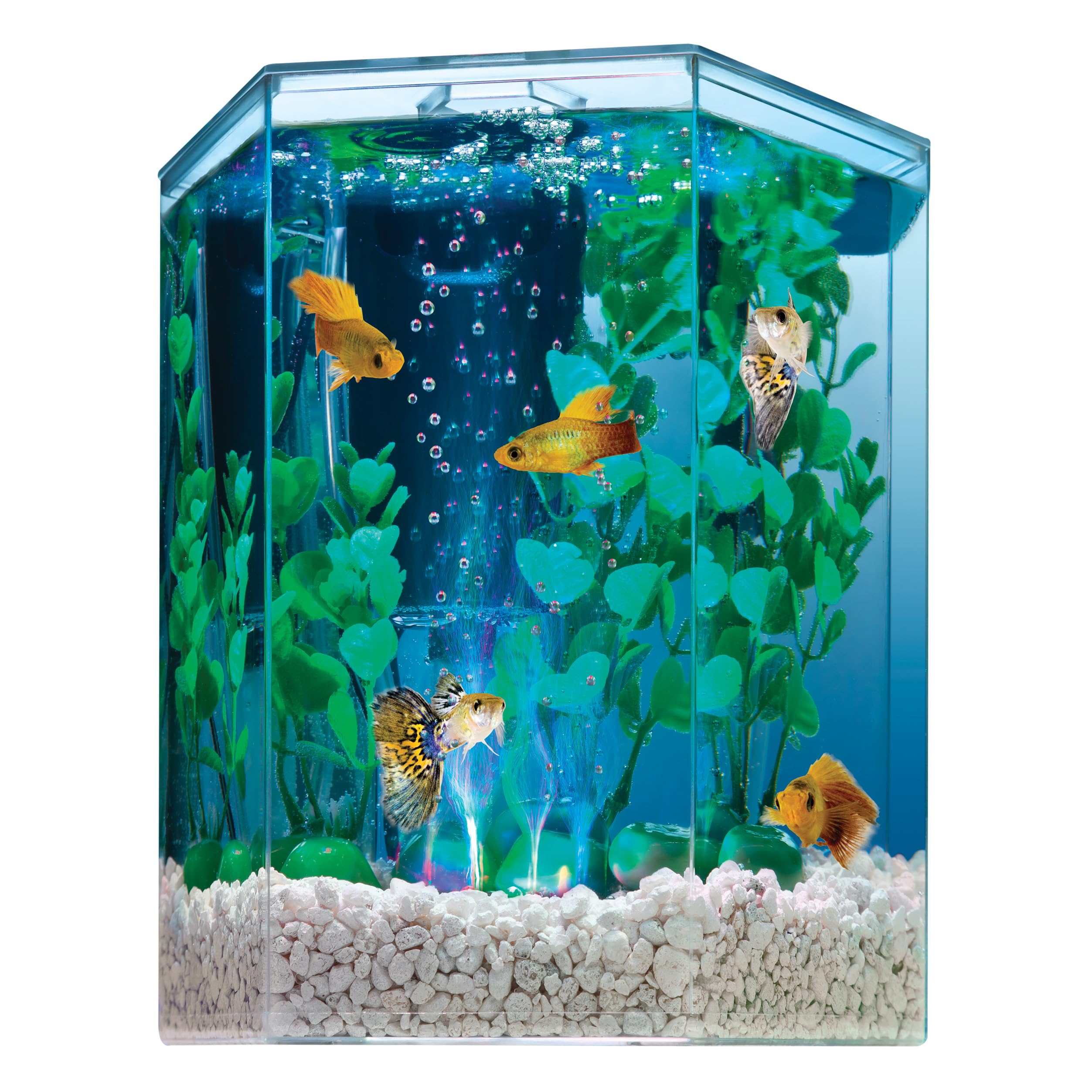
Tetra Bubbling LED Aquarium Kit 1 Gallon, Hexagon Shape, Wit...
Highly recommended fish toy with a 4.1★ rating.
View on AmazonThe Tetra Bubbling LED Aquarium Kit is an exceptional choice for those looking to provide a stimulating environment for their smaller aquatic friends. Priced at just $31.44, it offers incredible value for a high-quality setup. It is highly rated and perfect for fish, featuring a unique hexagon shape that provides multiple viewing angles and a color-changing light disc that keeps the environment fresh and exciting. The bubbling feature ensures the water is well-oxygenated while providing that essential tactile play we discussed earlier.
How to Safely Introduce New Toys
As an expert behaviorist, I always advise pet owners to introduce changes gradually. While enrichment is good, sudden, drastic changes to an environment can be startling. When adding a new 'toy' or piece of equipment, observe your fish’s reaction. Do they approach it with curiosity, or do they hide? Most fish will eventually explore the new addition, but giving them space to do so at their own pace is key.
Always ensure that any toy you add to your tank is specifically designed for aquatic use. Household items can leach toxins into the water or have sharp edges that can tear delicate fins. Look for products with smooth surfaces and non-toxic materials. The beauty of a dedicated kit like the Tetra Bubbling LED system is that it is engineered specifically for fish safety and enjoyment.
Creating a Routine of Enrichment
Enrichment isn't a 'one and done' task. To keep your fish truly engaged, try to vary their environment occasionally. This could be as simple as moving a silk plant to a different corner during your weekly water change or changing the color cycle on your LED lights. These small changes mimic the natural shifts in a wild habitat, keeping your pet’s brain active and healthy.
At PawPicks, we believe that every pet—no matter how small—deserves a life full of joy and stimulation. By investing in the right environment and providing the 'toys' your fish needs, you are ensuring they live a long, vibrant life. Your fish might not be able to fetch a ball or purr in your lap, but when you see them excitedly darting through bubbles or exploring a new glowing cave, you’ll know they are saying 'thank you' in their own special way.
Final Thoughts
Don't let your aquarium become a stagnant box. Embrace the science of fish behavior and treat your aquatic pets to the stimulation they crave. Whether it's through interactive bubblers, color-changing lights, or complex hiding spots, your fish will reward you with more active behavior, brighter colors, and a longer lifespan. Happy fishkeeping!