Beyond the Bowl: Why Your Aquatic Pets Need Toys and Enrichment
When we think of pet toys, our minds immediately jump to squeaky bones for dogs, feather wands for cats, or running wheels for hamsters. Rarely do we picture a goldfish nudging a ball or a betta fish navigating an underwater obstacle course. But as a pet behaviorist, I am here to share a fascinating truth with you: fish get bored, and they absolutely need toys.
For decades, the myth of the "three-second memory" has plagued our finned friends. Science has thoroughly debunked this misconception. Fish are highly sentient, observant, and capable of learning. In the wild, they navigate complex river currents, forage for food, evade predators, and explore vast underwater landscapes. When we place them in a sterile, unchanging glass box, their mental and physical health can quickly deteriorate. Providing enrichment is not just a fun addition to your tank—it is a fundamental requirement for their well-being.
The Science of Boredom in Fish
How do we know a fish is bored? Unlike dogs, they cannot whine at the door or chew up your favorite shoes. Instead, fish express stress and boredom through distinct behavioral cues. If you observe your fish closely, you might notice signs of what behaviorists call "stereotypic behavior."
- Glass Surfing: This is when a fish swims frantically up and down the glass walls of the aquarium. It is often a sign of stress, frustration, or a lack of environmental stimulation.
- Lethargy and Hiding: While some fish are naturally shy, a healthy fish should be active during its waking hours. If your fish is constantly hovering in a corner or hiding behind the filter, it may be understimulated or depressed.
- Excessive Aggression: In community tanks, bored fish may begin nipping at their tankmates' fins simply because they have nothing else to occupy their time.
By introducing interactive elements—often referred to as "fish toys"—you can stimulate their natural instincts, encourage physical exercise, and dramatically reduce stress-related illnesses.
What Exactly is a "Fish Toy"?
When we talk about fish toys, we are not talking about miniature plastic skateboards. In the aquatic world, a toy is any object or environmental feature that encourages natural behaviors like exploring, foraging, playing, and hiding. Here are some of the best types of enrichment you can introduce to your aquarium:
1. Caves, Tunnels, and Swim-Throughs
Fish love to explore tight spaces. Tunnels and hollow logs provide excellent mental stimulation as fish navigate through them. They also offer a vital sense of security, giving your pet a safe space to retreat when they feel startled.
2. Floating and Sinking Toys
Did you know that some fish enjoy playing with lightweight, floating objects? Many betta fish owners place clean, plastic ping-pong balls on the water's surface. Bettas will often swim up and nudge the ball around the tank. Similarly, sinking moss balls (like Marimo moss balls) can be pushed around the substrate by curious bottom-dwellers.
3. Bubble Walls and Water Currents
Many active fish species, such as danios and tetras, love to swim against currents. Installing an air stone or a bubble wall creates a playful "treadmill" effect. Fish will actively swim into the bubbles, ride the current to the top, and loop back down to do it all over again.
4. Dynamic Lighting and Visual Stimulation
Fish respond strongly to visual changes in their environment. Gentle, shifting light colors can mimic the natural passage of day, night, and shifting weather patterns, keeping their circadian rhythms healthy and their minds engaged.
The Ultimate Enrichment Hub: Choosing the Right Environment
The foundation of all fish enrichment is the environment they live in. A tiny, empty bowl offers zero opportunities for play. To truly give your fish the life they deserve, you need a spacious tank that allows for creative aquascaping, swimming room, and interactive features.
If you want to transform your fish's life, we highly recommend upgrading to a dynamic setup that combines spaciousness with interactive sensory stimulation. This is where a high-quality, fully-equipped aquarium kit makes all the difference.

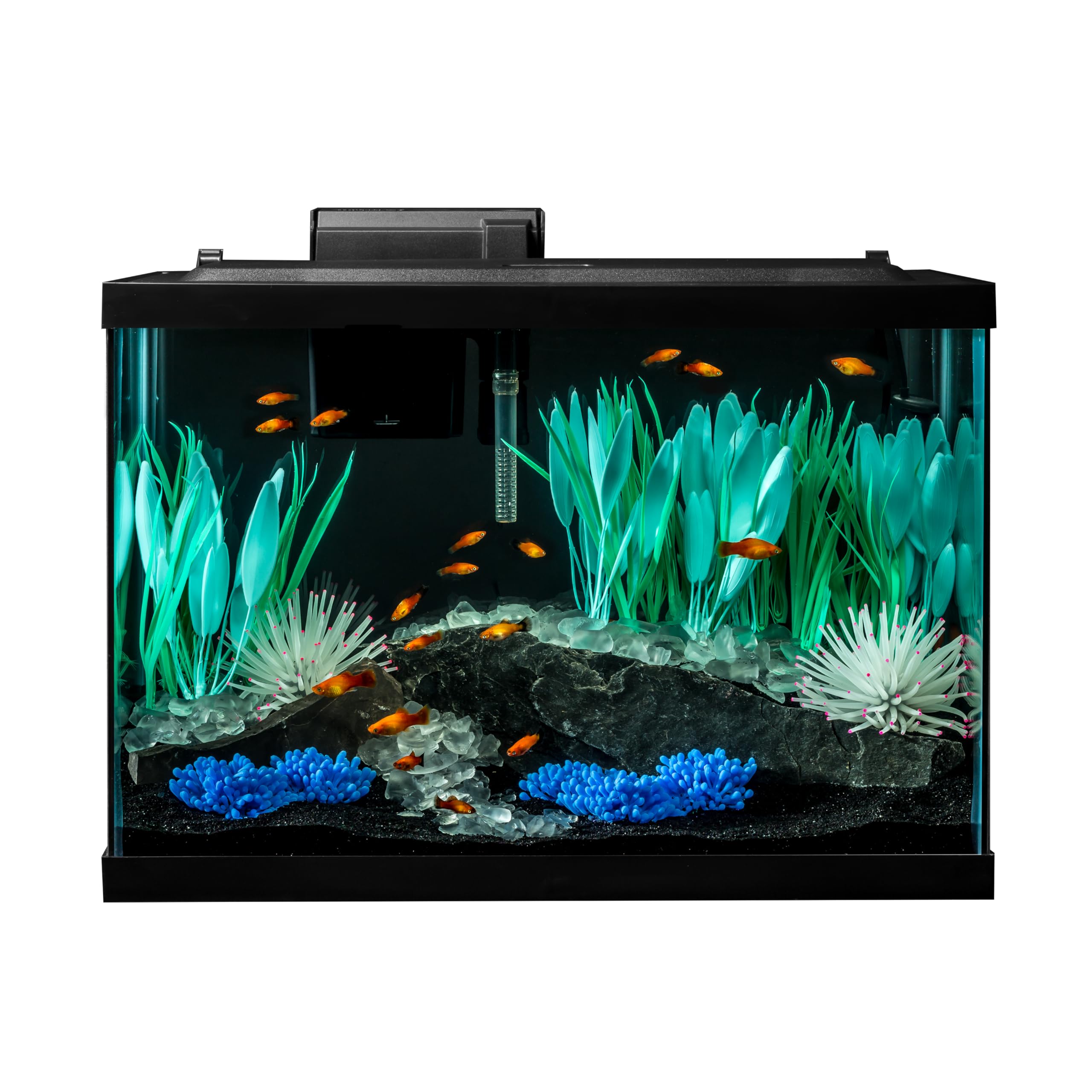
Tetra ColorFusion Aquarium 20 Gallon Fish Tank Kit, Includes...
Highly recommended fish toy with a 4.3★ rating.
View on AmazonThis 20-gallon kit is highly rated and perfect for fishs of all kinds. It provides the ideal amount of physical space for active swimming, while the built-in ColorFusion LED lighting system acts as an incredible source of visual enrichment. The cycling colors keep your fish engaged with their environment, and the included decorative plants provide instant hiding spots and obstacles for them to explore.
How to Safely Introduce Toys to Your Fish
While enrichment is crucial, safety must always come first. When selecting and placing toys in your tank, keep these professional behaviorist tips in mind:
- Avoid Sharp Edges: Fish have delicate scales and fins (especially long-finned varieties like bettas). Ensure any plastic plants, caves, or ceramic ornaments are completely smooth. Run a nylon stocking over the object; if it snags, it is too sharp for your fish.
- Rotate Toys Regularly: Just like a dog gets bored of the same plush toy, fish can lose interest in static decorations. Every time you perform a partial water change, gently rearrange the decorations or swap out one cave for another. This simple change tricks your fish into thinking they have a whole new territory to explore!
- Leave Open Swimming Space: While clutter is great for hiding, fish still need open corridors to build up speed and exercise their muscles. Aim for a balanced layout with dense "play areas" on the sides and back, leaving the center relatively open.
A Happy Fish is a Healthy Fish
Providing your fish with toys and a stimulating environment does more than just prevent boredom—it directly boosts their immune systems. Stress is the number one cause of disease in aquarium fish. By reducing stress through active play, mental stimulation, and a beautiful, color-rich habitat, you are ensuring your aquatic companions live a long, vibrant, and joyful life.
Next time you look at your aquarium, don't just see a decoration. See a dynamic playground waiting to be built. Your fish will thank you with brighter colors, active swimming, and delightful personalities you never knew they had!